



WIFI Module FCC Certification
Wi-Fi modules, also known as serial Wi-Fi modules, belong to the transmission layer of the Internet of Things. Their function is to convert serial ports or TTL levels into embedded modules that comply with Wi-Fi wireless network communication standards. They come with built-in wireless network protocols such as IEEE802.11b.g.n and TCP/IP protocol stacks. To export to the United States, fcc id certification is required.
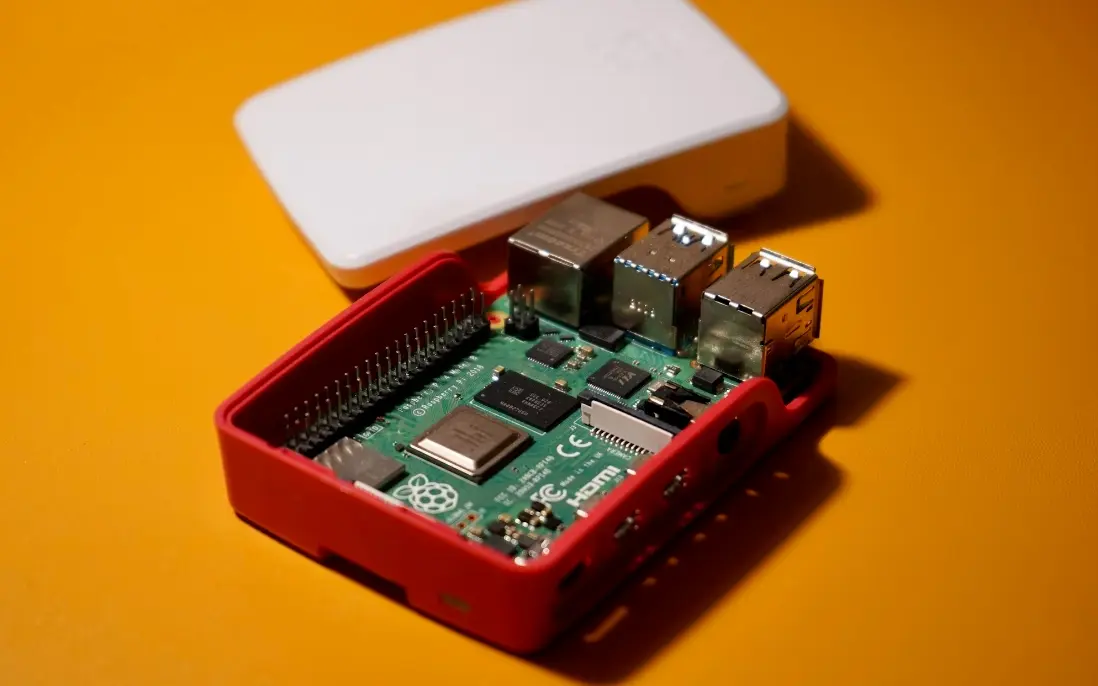
The Federal Communications Commission (fcc) has clear requirements for electronic products entering the US market in terms of EMC, Telecom, and others. Electronic products need to obtain fcc certification before they can smoothly enter the US market.
The FCC, established in 1934, primarily manages and controls radio and communication in the United States as a government agency with enforcement powers. It collaborates with governments and businesses to establish FCC regulations and standards.
FCC certification is a mandatory EMC certification in the United States, mainly for electronic products ranging from 9K to 3000GHz. It covers various aspects such as radio and communication, especially radio interference issues with wireless communication equipment and systems. This includes radio interference limits and measurement methods, as well as certification systems and organizational management systems.
There are two certification modes for FCC certification: fcc sdoc and FCC ID. FCC ID is mainly for certification of communication products. For example, products with communication functions such as mobile phones, laptops, tablets, wireless headphones, and wireless mice and keyboards all require fcc id certification.
What are the requirements for applying for FCC certification for Wi-Fi modules?
1. At least one qualified prototype must be provided for each certified model (two or more are recommended).
2. The provided prototype must ensure that it is a formal qualified prototype, and its internal electrical structure and appearance must be consistent with the batch prototypes exported later.
3. The trademark model on the prototype must be clear and reliable.
The fcc certification process for Wi-Fi modules is as follows:
1. The customer submits the application form (our company provides a blank application form).
2. The customer signs a commissioned testing contract with our company.
3. Sample testing and preparation of electrical schematics, external/internal photos, oscillator circuit diagrams, user manual nameplate identification, operation principle explanations, etc. (varies according to the product).
4. After passing the test, draft documents are prepared.
5. After the customer confirms that there are no issues, an application for a certificate is submitted to a US TCB institution.
6. Once the enterprise obtains FCC-ID certification, the fcc logo can be used on the product.
Why do Wi-Fi modules need FCC certification?
FCC certification is the pass for products to enter the American market. Products can only be sold in the American market if they comply with the corresponding FCC certification and affix the corresponding marks. For consumers, products with these marks provide them with a high level of security, and they trust and are willing to buy products with safety certification marks.
JJRLab in China is dedicated to providing fcc certification testing services for products such as 3G/4G modules, Wi-Fi modules, Zigbee modules, etc., for export to the United States. Feel free to inquire! (hello@jjrlab.com)
Email:hello@jjrlab.com
Write your message here and send it to us
 What is UL 1642 Compliance Certification?
 What Is Amazon's UL 60335 Standard
 How to get a UL 60335 Test Report
 What is UL 60335 Certification Compliance?
 What is EN 61000 Certification Compliance?
 How to get an EN 61000 Test Report?
 What is the Amazon EN 55035 Standard?
 What is EN 55035 Certification Compliance?
Leave us a message
24-hour online customer service at any time to respond, so that you worry!