


Which Bluetooth products support profiles?
Generally, when a finished product passes BQB Certification, the testing is divided into two parts: one is the RF (radio frequency) testing of the circuit board, and the other is the profile testing of the complete product. The profile testing of the complete product measures the Bluetooth functionality supported by the product in actual use. Different products support different Bluetooth functions and profiles. These profiles reflect the unique cultural image of the product, including elements such as rituals, symbols, and ways of handling situations, which together shape the overall image of the company in its daily operations.
Next, let's look at some of the common Bluetooth products on the market and the profiles they typically support.
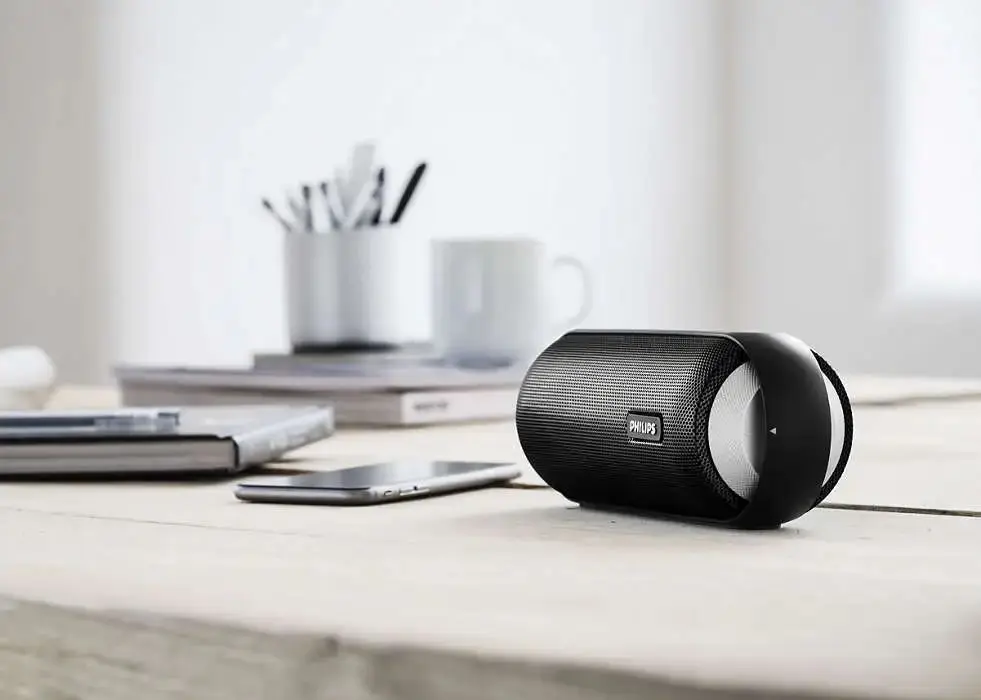
Bluetooth Audio Products
These products generally support the following profiles:
1. A2DP (Advanced Audio Distribution Profile) Sink role, which allows the device to receive audio from the source device.
2. AVRCP (Audio/Video Remote Control Profile) CT (Controller) and TG (Target) roles, used to test control functions such as play/pause, skip/previous track, and volume control.
3. HFP (Hands-Free Profile) HF (Hands-Free) role, which tests features related to calls, such as answering and ending calls.
Mobile Phones, Tablets, and Projectors with Smart Operating Systems
1. A2DP (Advanced Audio Distribution Profile) Source role, used to test whether the device properly transmits audio to the Sink device.
2. AVRCP TG role, used to verify that the device can control music through an app.
3. OPP (Object Push Profile) Object Push Server role, used to test if the device can receive files via Bluetooth.
4. If the product supports SIM cards for calling and texting, it will also support:
- PBAP (Phone Book Access Profile), testing the phone book-related functions.
- HFP (Hands-Free Profile) AG (Audio Gateway) role, testing call functions like dialing out.
- MAP (Message Access Profile), used to test the ability to send and receive messages.
Common Products Supporting Low Energy Bluetooth
Products such as remote controls, locators, and Bluetooth keyboards, which typically support low-energy Bluetooth, may support the following profiles:
1. BAS (Battery Service), used to validate battery service functions in Bluetooth products.
2. DIS (Device Information Service), used to validate device information service functionality in Bluetooth hosts.
3. HIDS (HID Service), used to validate the HID service in Bluetooth hosts.
4. HOGP (HID over GATT Profile), used to test HID functionality over GATT (Generic Attribute Profile).
Email:hello@jjrlab.com
Write your message here and send it to us
 What is the Amazon Toy TIC Audit?
 How to get a UL 982 Test Report?
 How to get an ASTM F2613 Test Report?
 Children's Jewelry Amazon TIC Direct Verification
 Amazon Power Tools TIC Direct Verification
 WERCS Battery Registration Guide
 Difference Between SDS and MSDS
 What is the EU Toy Standard EN 71-8?
Leave us a message
24-hour online customer service at any time to respond, so that you worry!