



What tests does EMC include?
What is emc testing?
EMC (Electromagnetic Compatibility) testing is the process of assessing the ability of electronic and electrical products to comply with electromagnetic compatibility standards in their intended operating environments. Based on how devices emit and receive electromagnetic energy, as well as their impact on and resistance to interference from other devices, emc testing can be broadly categorized into two main types: EMI and EMS.
I. Electromagnetic Interference (EMI) Testing
radiated emission test: This measures the electromagnetic energy radiated by a device in its normal operating state. This energy may propagate in the form of radio waves and could potentially interfere with nearby sensitive equipment, especially those already allocated within the wireless communication spectrum.
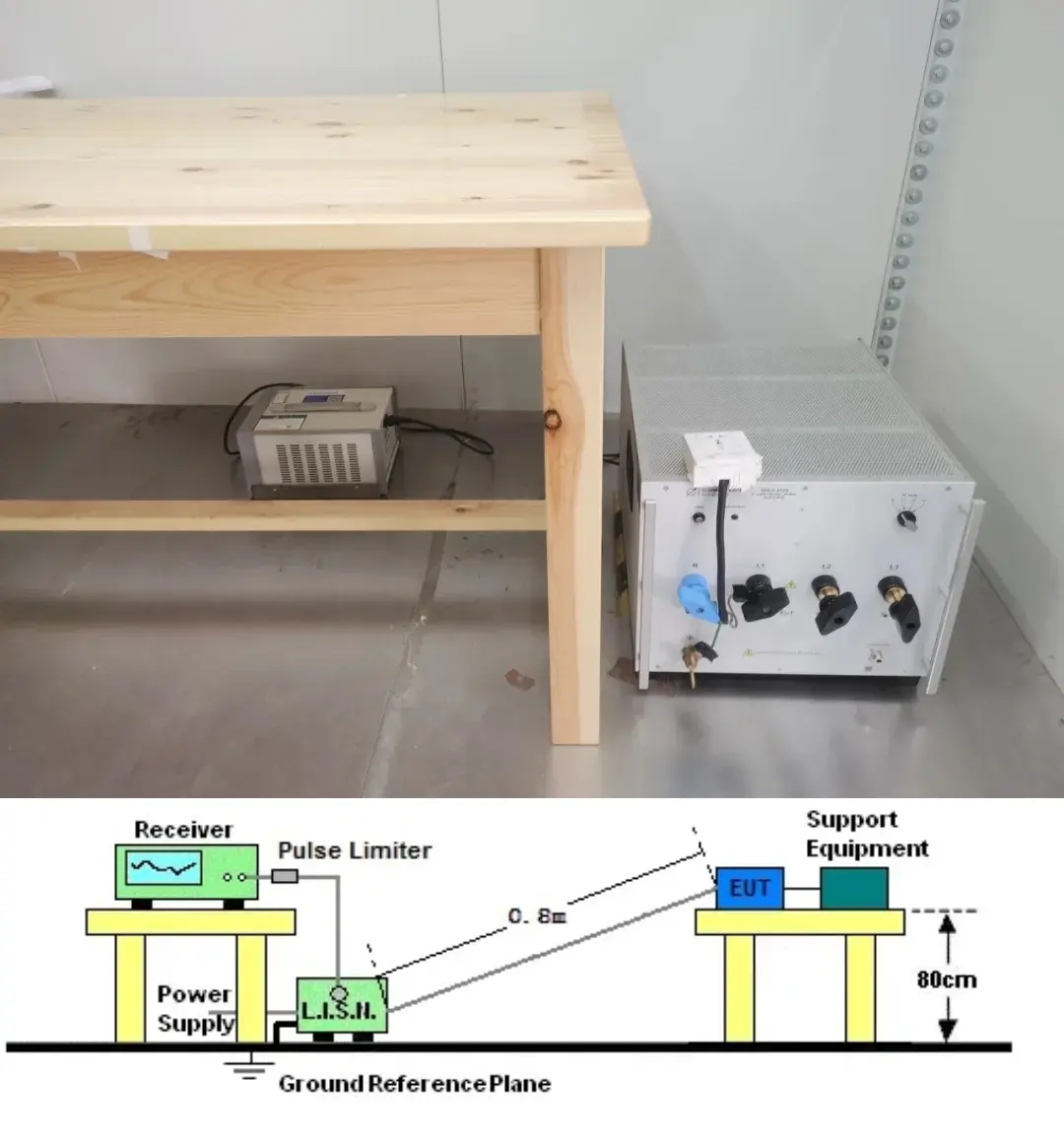
Conducted Emission Test: This examines the electromagnetic noise conducted by a device through power lines, signal lines, or other conductive paths. Such electromagnetic noise can spread through the power grid and may affect wireless communication systems once leaked.
II. Electromagnetic Susceptibility or Immunity (EMS) Testing
Radiated Immunity Test: This evaluates a product's ability to maintain its functionality when subjected to RF field radiation generated by external antennas (antennas of other devices, namely those devices within allocated frequency bands).
Conducted Immunity Test: By injecting specific frequency and intensity interference signals into a product's power lines, signal lines, or other interfaces, this test verifies the product's resistance to external conducted interference. Similarly, communication signals from wireless devices propagate through the power grid, requiring our grid-connected devices to have immunity to interference.
Transient Immunity (such as surge, electrostatic discharge (ESD), burst, voltage dips/interruptions, etc.): These tests simulate rapid transient voltage and current changes caused by lightning strikes, ground faults, operator contact, and other reasons to verify whether the product can continue to operate normally under such circumstances. This could be called a test against force majeure, as some natural disasters commonly exist in the world, and our products must have a certain level of shock resistance. Perhaps only this one is truly for the sake of our own products.
III. Other Specific EMC Tests
In addition, there are other specific EMC test items, such as magnetic field immunity, near-field immunity, harmonic current emissions, voltage fluctuations, and flicker, all of which are targeted tests conducted based on different product types, application environments, and requirements of various countries and regions.
Email:hello@jjrlab.com
Write your message here and send it to us
 What is UL 1642 Compliance Certification?
 What Is Amazon's UL 60335 Standard
 How to get a UL 60335 Test Report
 What is UL 60335 Certification Compliance?
 What is EN 61000 Certification Compliance?
 How to get an EN 61000 Test Report?
 What is the Amazon EN 55035 Standard?
 What is EN 55035 Certification Compliance?
Leave us a message
24-hour online customer service at any time to respond, so that you worry!