



What products require Saudi Saber certification?
All goods exported to Saudi Arabia require Saber certification. Saber certification is a new online application system introduced by the Saudi Standards, Metrology and Quality Organization (SASO). Saber serves as an online tool for product registration, issuance, and obtaining the Certificate of Conformity (COC).
What is Saber certification?
Saber is an online system tool launched by the Saudi Standards Organization. It is used for product registration, issuance, and obtaining the Shipment Certificate (SC) as part of a comprehensive paperless system for conformity clearance. The SABER conformity certification program is an integrated system that sets regulations, technical requirements, and control measures, aimed at ensuring the safety of both local and imported products.
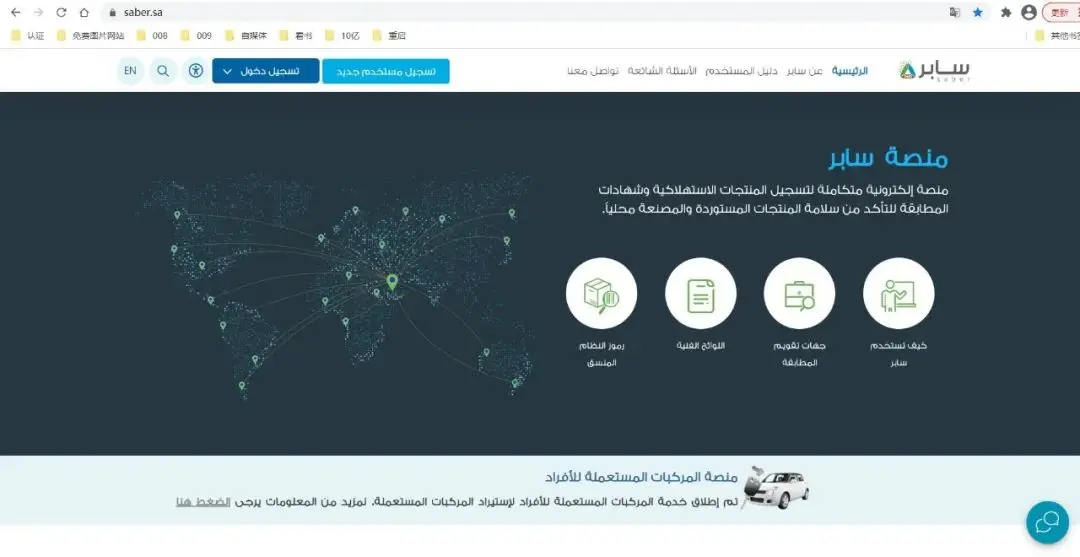
SABER certification is a conformity assessment program targeted at non-Saudi companies (i.e., companies exporting to Saudi Arabia) to ensure the safety of both local and imported products.
How are Saudi Saber certification regulations categorized based on risk levels?
1. Supplier Conformity Declaration (Non-regulated, issued as a supplier's declaration of conformity)
2. COC Certificate OR QM Certificate (General regulation, requires COC or QM certification)
3. iecee certificate (Regulated under IECEE standards, requiring iecee certification)
4. GCTS Certificate (Regulated under GCC regulations, requiring gcc certification)
5. QM Certificate (Regulated under GCC regulations, requiring QM certification)
Main products and categories requiring Saudi Saber certification:
1. Toys and sports health equipment: Stuffed toys, remote-controlled cars, rainbow rings, building blocks, clay, treadmills, badminton rackets, barbells, etc.
2. Electronic and electrical products and lighting: Adapters, headphones, data cables, soymilk machines, electric kettles, fans, vacuum cleaners, LED displays, street lights, ceiling lights, solar lights, energy-saving lamps, etc.
3. Automobiles and accessories: Automotive safety glass, wipers, tires, trucks, rearview mirrors, etc.
4. Chemicals and health products: Laundry detergent, hand sanitizer, sanitary napkins, carpets, etc.
5. Building materials and tools: Window glass, cement, paint, wire, steel pipes, screwdrivers, hardware tools, etc.
6. Tiles and sanitary equipment: Tiles, faucets, ceramic basins, hoses, toilets, shower rooms, etc.
7. Textiles: Textiles, socks, carpets, bed sheets, pillows, clothing, etc.
8. Furniture: Sofas, beds, cabinets, TV cabinets, dining tables, etc.
9. Kitchen utensils and general tableware: Glasses, chopsticks, spoons, bowls, spatulas, kettles, etc.
10. Paper and stationery: Printer paper, copy paper, advertising paper, staplers, pencils, pens, paintbrushes, etc.
11. Protective safety equipment: Protective shoes, gloves, helmets, face shields, etc.
12. Artwork and crafts: Jewelry, crafts, bracelets, carved figures, etc.
13. Gas products: Stoves, leak alarm systems, gas hoses, gas valves, etc.
14. Lubricating oils: Refined or recycled oils, brake fluid, automatic transmission oil, etc.
15. Lifting equipment: Freight elevators, passenger elevators, loading machines, lifts, etc.
16. Insulation materials: Insulation layer materials, insulation and thermal insulation materials, wall covering materials, etc.
17. Paints and coatings: Latex paint, paint, coatings, dyeing coatings, etc.
18. Batteries: Dry batteries, button batteries, lithium batteries, car batteries, etc.
19. Amusement equipment: Devices, machines, and structures for the installation, operation, and maintenance of game and entertainment equipment, etc.
20. Adhesives and related products: Adhesives and glue products, etc.
21. Trailers and semi-trailers: Trailers and semi-trailers.
22. Pipes and fittings: Pipes used for water, electricity, and gas networks, etc.
23. Communication products: Walkie-talkies, mobile phones, routers, wireless communication equipment, etc.
24. Packaging and food contact materials: Materials and surface products in contact with food, food packaging bags, tableware, etc.
25. Simple pressure vessels and fire products: Pressure cookers, pressure tanks, fire extinguishers, alarm systems, etc.
26. Fireworks: Firework products, firecrackers, fireworks, firework shells, etc.
27. Balance vehicles: Balance vehicles, scooters, twist cars, etc.
Email:hello@jjrlab.com
Write your message here and send it to us
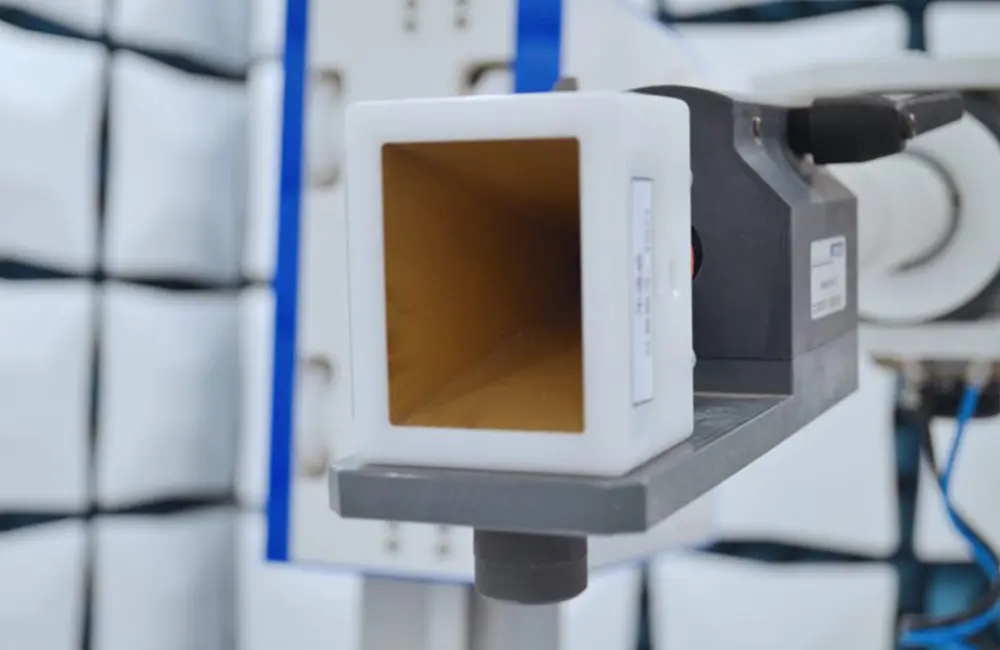 What is EN 61000 Certification Compliance?
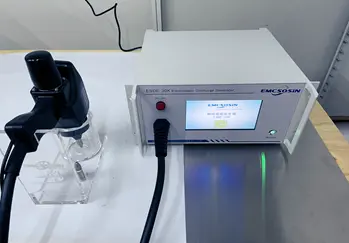 How to get an EN 61000 Test Report?
 What is the Amazon EN 55035 Standard?
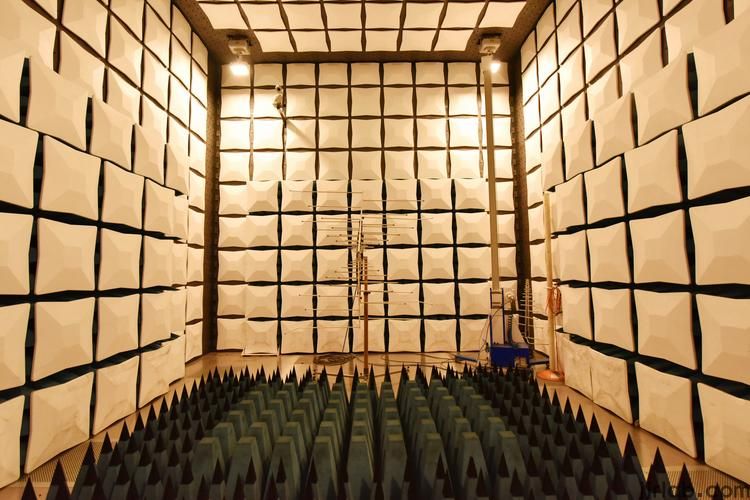 What is EN 55035 Certification Compliance?
 How to get the EN 55035 Test Report?
 What is the Amazon EN 301 489 Standard?
 How to get an EN 301 489 Test Report?
 What is EN 301 489 Compliance Certification?
Leave us a message
24-hour online customer service at any time to respond, so that you worry!