



What is the SOR Certification in Canada?
SOR Certification is a mandatory safety certification for children's toys issued by the Canadian government. It focuses on the detection and certification of potentially harmful substances in toys to ensure product quality and safety. In Canada, toys must obtain SOR Certification before they can be marketed and sold. Therefore, for enterprises wishing to sell children's toys in the Canadian market, SOR Certification is a crucial step.
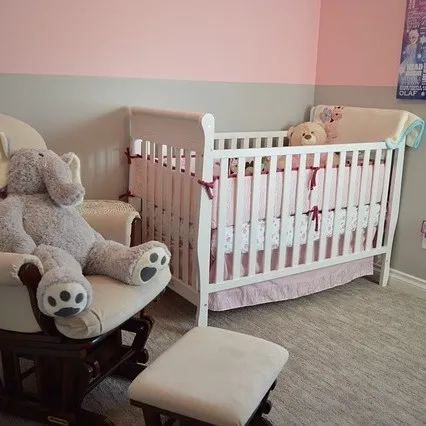
Benefits of SOR Certified Products
Obtaining SOR Certification ensures the safety and reliability of children's toys, avoiding potential health and safety risks. The process of SOR Certification involves a series of rigorous inspections and tests. Only products that pass these inspections and tests can obtain the SOR Certification certificate and be allowed to be sold in the Canadian market. Besides SOR Certification, there are also a series of other Canadian regulations and standards for children's toys that need to be followed. For example, Toy Safety Standards such as CSA Z65.0 and 65.1 clearly stipulate the safety requirements for toys. Additionally, regulations and standards related to intellectual property rights must also be adhered to, ensuring the safety and quality of children's toys.
Product Scope of SOR Certification
- Children's Toys
- Baby Products
- Children's Accessories
- Household Items
Note: The above are only some of the products. For specific information, please consult customer service.

SOR Certification Application Process
1. Fill out the application form and inquire about the relevant testing content for the product.
2. Provide product information, including product manuals, specifications, product images, and product samples.
3. Send samples to the testing agency for testing.
4. After the product passes the test, a report/certificate will be issued.

SOR Application Period/Validity
The processing period for the Canadian Toy SOR Certification is 5 to 7 working days. The SOR Certification in Canada is time-limited, with a typical validity period of 5 years.
Email:hello@jjrlab.com
Write your message here and send it to us
 Guide to Children's Product Safety and Compliance
 US Mattress Compliance Certification
 Canadian Site Mattress Compliance Testing
 Compliance for US Lithium-Battery-Powered Househol
 Canada Lithium Battery Home Appliances Compliance
EAC Certification for Electronic and Electrical Pr
Canada Lithium Battery Home Appliances Compliance
EAC Certification for Electronic and Electrical Pr
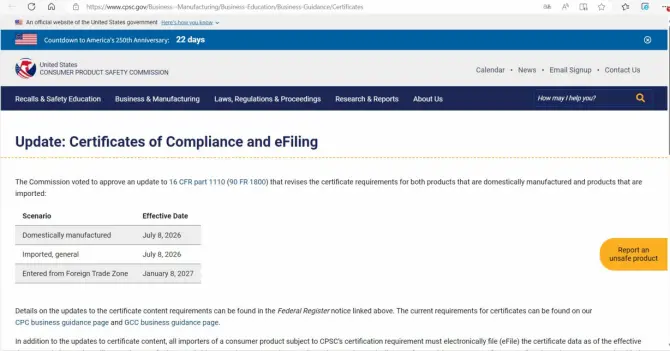 2026 USA CPSC eFiling Guide
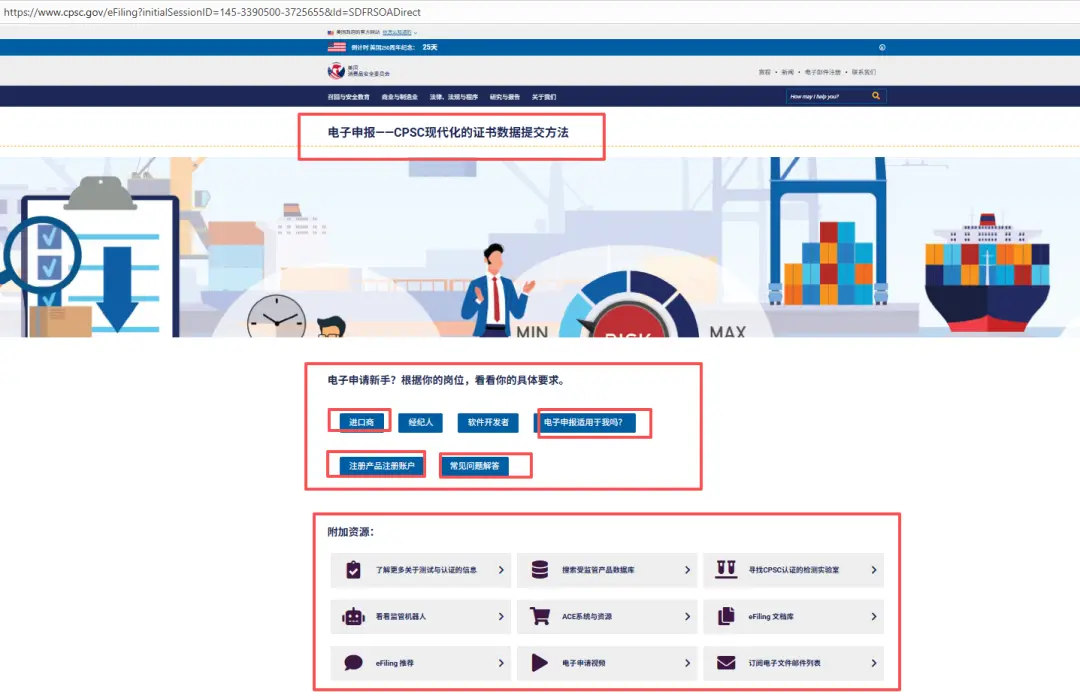 2026 US CPSC eFiling IOR Operation Guide
Leave us a message
24-hour online customer service at any time to respond, so that you worry!