



What is the difference between FCC and CE EMC?
EMC stands for Electro Magnetic Compatibility, which is part of the CE certification. EMC includes EMI, such as radiation, conduction, power disturbance, and clicks, as well as immunity (EMS) tests such as ESD, RS, CS, surge, and EFT. For example, EN55022 and EN55024 for ITE are testing requirements under the EU's CE certification.
FCC stands for the Federal Communications Commission, which is a U.S. entity. What we generally refer to as FCC certification includes parts like fcc part 15, Part 18, and Part 68 concerning electromagnetic compatibility. Unlike CE, FCC certification standards do not require immunity tests, only conduction and radiation tests.
The Federal Communications Commission (FCC) regulates the import and use of radio frequency devices. It requires that electronic products operating at frequencies above 9K Hz obtain FCC certification. This includes products like computers, fax machines, electronic devices, radio receivers and transmitters, remote control toys, telephones, personal computers, and other products that may pose a risk to personal safety. These products must be tested and approved by government-authorized laboratories according to FCC technical standards before they can be exported to the U.S. Importers and customs agents must declare that each radio frequency device complies with FCC standards, which is referred to as an FCC license.
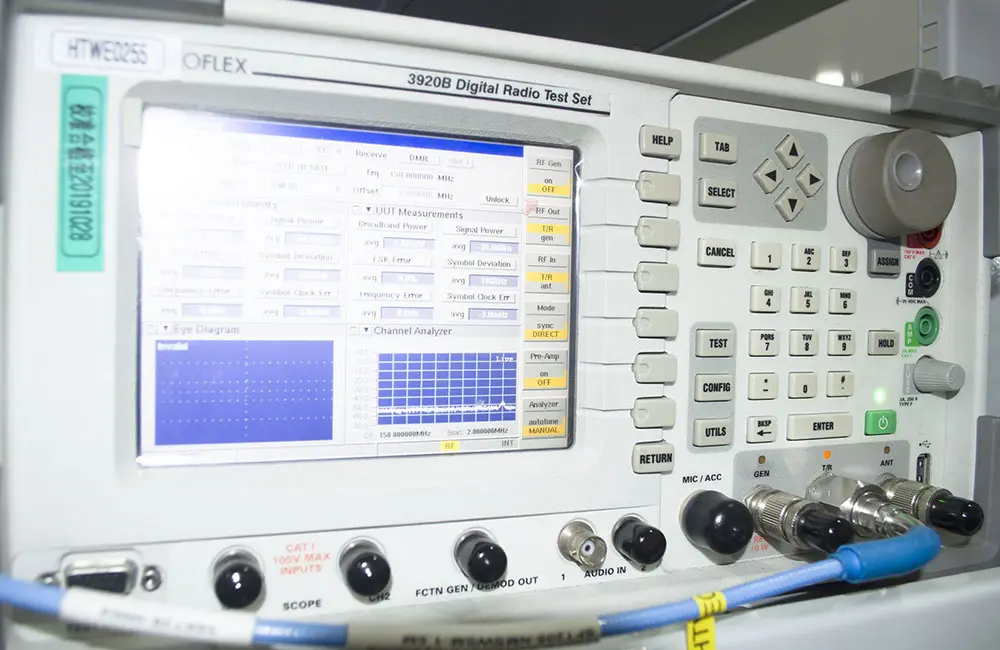
Therefore, for CE certification and FCC certification, please contact JJRLAB in China for professional CE certification services. We are a Chinese laboratory that can help you save 40% on certification costs.
We also offer cb certification, CE certification, FCC certification, IEC reports, CCC certification, etl certification, ROHS certification, China RoHS, REACH certification, un38.3 certification for lithium batteries, telec certification, NCC certification, bsmi certification, LFGB certification, ERP certification, California CP65 certification, EN71 certification, GS certification, FDA certification, ASTM F963 certification, CPSIA certification, and related product testing and certification. Please provide your specifications for a quote!
Email:hello@jjrlab.com
Write your message here and send it to us
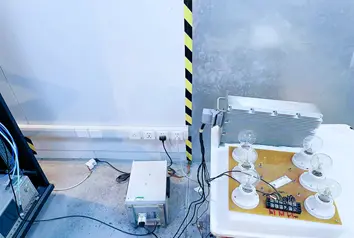 How to get a UL 60335 Test Report
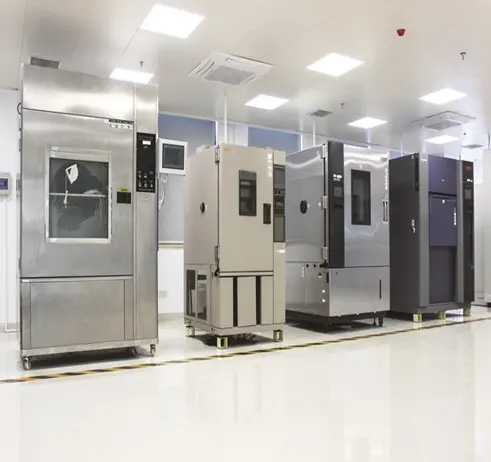 What is UL 60335 Certification Compliance?
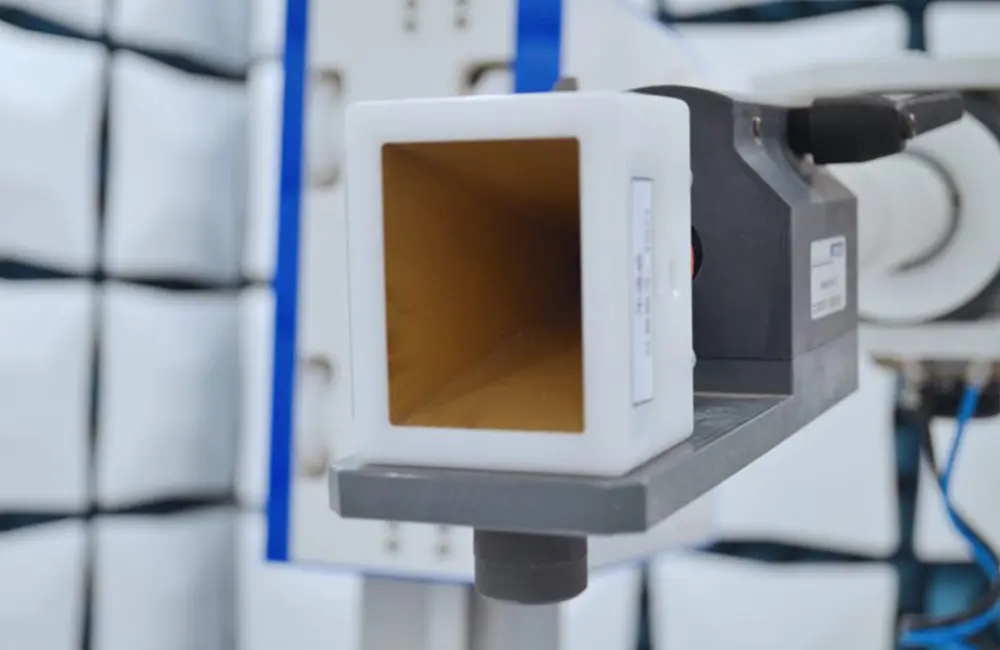 What is EN 61000 Certification Compliance?
 How to get an EN 61000 Test Report?
 What is the Amazon EN 55035 Standard?
 What is EN 55035 Certification Compliance?
 How to get the EN 55035 Test Report?
 What is the Amazon EN 301 489 Standard?
Leave us a message
24-hour online customer service at any time to respond, so that you worry!