



What is FCC Approval for Electronic Devices?
Any electronic device sold in the United States must obtain approval from the Federal Communications Commission (FCC). How do suppliers of electronic devices in the U.S. ensure that their products comply with regulations?
The FCC regulates electronic devices by setting specific limits on the intentional and unintentional radio signals that devices can emit, to protect consumers and prevent radio frequency (RF) interference between digital devices. The limits set for devices that do not intentionally emit radio signals relate to the environment in which the devices are used.
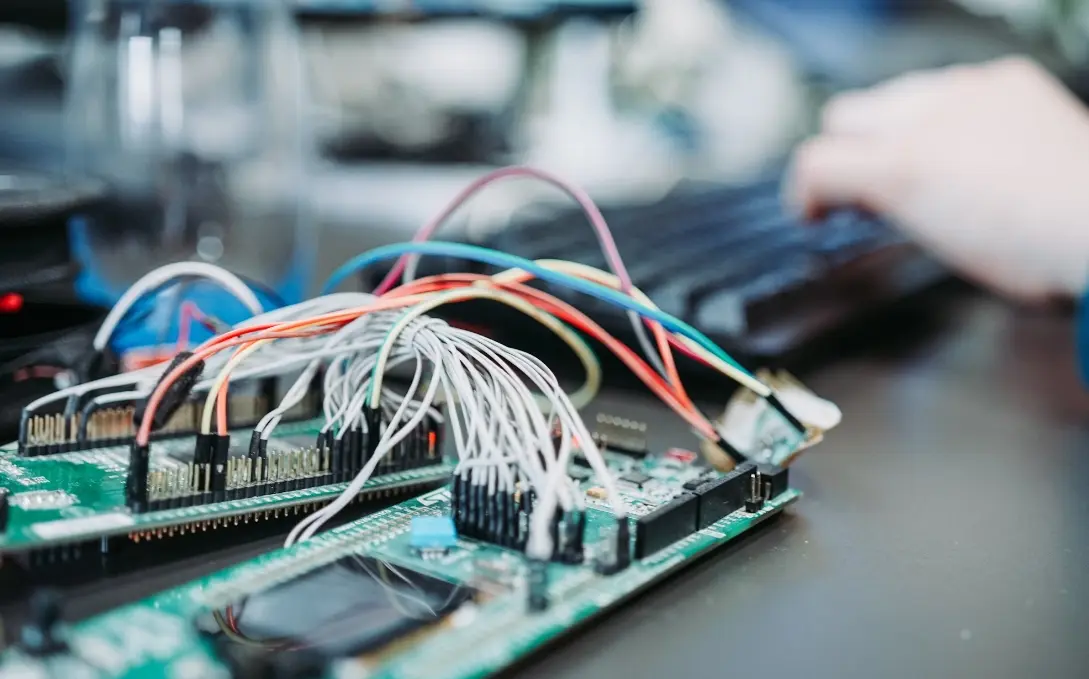
These categories are:
- Class A – Commercial and/or industrial
- Class B – Residential
Due to the higher risk of RF radiation from products used in homes, the requirements for Class B are stricter.
Manufacturers and suppliers can obtain approval through two avenues depending on whether the device intentionally or unintentionally emits radio signals:
- Supplier’s Declaration of Conformity (sdoc)
- Certification
If a product intentionally emits radio signals, certification is required. Devices that fall into this category include Wi-Fi routers, Bluetooth devices, remote control transmitters, and garage door openers.
If the device is a non-intentional radiator, authorization can be obtained through either certification or SDoC. Examples in this category include IT equipment, audiovisual devices, and power adapters.
fcc approval Steps
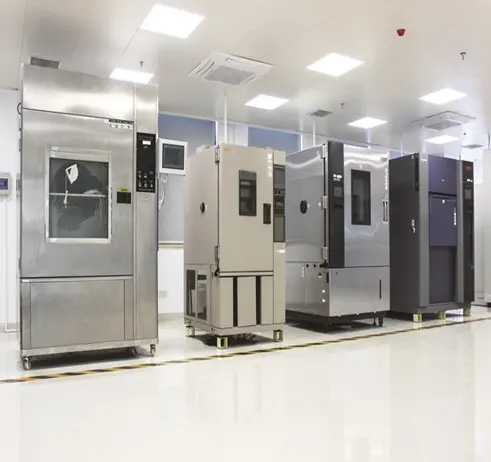
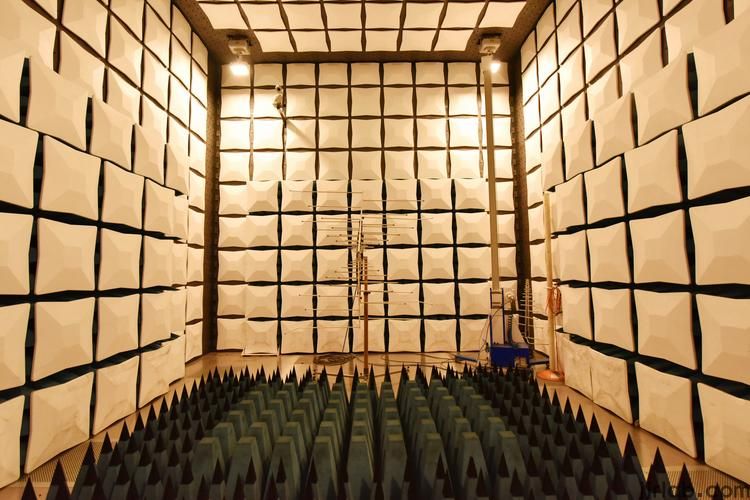
To ensure that electronic devices comply with the FCC’s RF emission regulations, manufacturers or suppliers must submit them to an electromagnetic compatibility (EMC) testing laboratory for evaluation. If a device is to receive SDoC authorization, no further action is required. However, if the product is to be certified for authorization, the following documents and information must be submitted to a Telecommunication Certification Body (TCB):
- Test report from an FCC-recognized testing laboratory
- Application form (sometimes referred to as Form 731) that includes:
- The applicant’s FRN (Federal Registration Number)
- The applicant’s grantee code, which is part of the fcc id and must be provided before submitting the application
- FCC ID label and label location
- Internal and external photographs
- Photographs of the test setup
- User manual, schematics, block diagrams, parts list, debug procedures, and operational theory
- Additional exhibits and letters may be required to support the application materials
An Equipment Authorization (FCC Grant) is then issued, allowing the product to be legally sold in the U.S. market. For businesses engaged in the manufacture, distribution, marketing, and sale of electronic devices, these steps can be stressful, time-consuming, and costly.
EMC/RF Testing
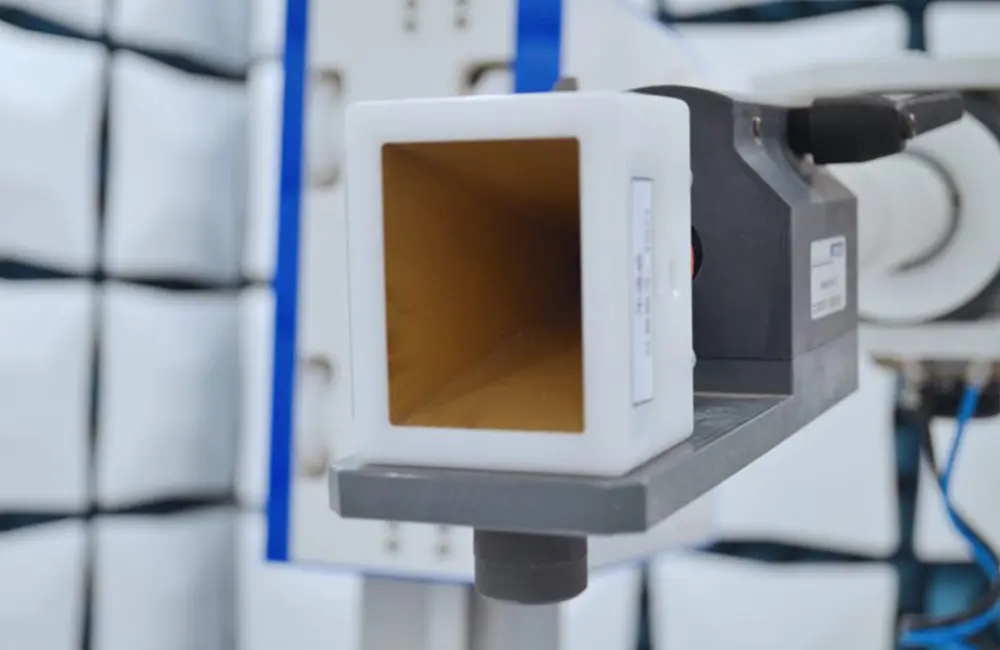
emc testing and RF compliance testing are critical aspects of any electronic device development process. EMC testing evaluates the ability of a device to operate normally in the intended electromagnetic environment without interfering with other devices. RF testing measures the characteristics of intentionally radiated signals and ensures that unintentionally radiated signals are below specified limits.
Ensuring that devices comply with EMC/RF requirements is a key step in achieving fcc compliance.
China JJR Laboratory provides comprehensive testing solutions to help manufacturers ensure their products comply with various market regulations, including FCC compliance. Our experts can assist with fcc testing and filings, including Parts 15, 18, 22, 24, 27, 90, and 95, and provide Tcb certification and filing for both FCC and Innovation, Science and Economic Development Canada (ised).
Services include:
- EMC/RF testing
- Pre-scanning and diagnostic testing
- 5G/LTE certification
- Testing 802.11 Wi-Fi, Bluetooth, and Zigbee
- ETSI EN 300 328 and ETSI EN 301 489-x
With competitive testing fees, China JJR Laboratory has become the preferred choice for manufacturers and suppliers of electronic devices requiring FCC approval.
Email:hello@jjrlab.com
Write your message here and send it to us
 What is UL 1642 Compliance Certification?
 What Is Amazon's UL 60335 Standard
 How to get a UL 60335 Test Report
 What is UL 60335 Certification Compliance?
 What is EN 61000 Certification Compliance?
 How to get an EN 61000 Test Report?
 What is the Amazon EN 55035 Standard?
 What is EN 55035 Certification Compliance?
Leave us a message
24-hour online customer service at any time to respond, so that you worry!