



Specific Absorption Rate (SAR) Testing China Laboratory
Electromagnetic radiation specific absorption rate (SAR) testing is highly valued by governments and regulatory authorities worldwide to ensure the smooth entry of radio devices into international markets, meeting SAR limit requirements. JJRLAB offers professional sar testing services.
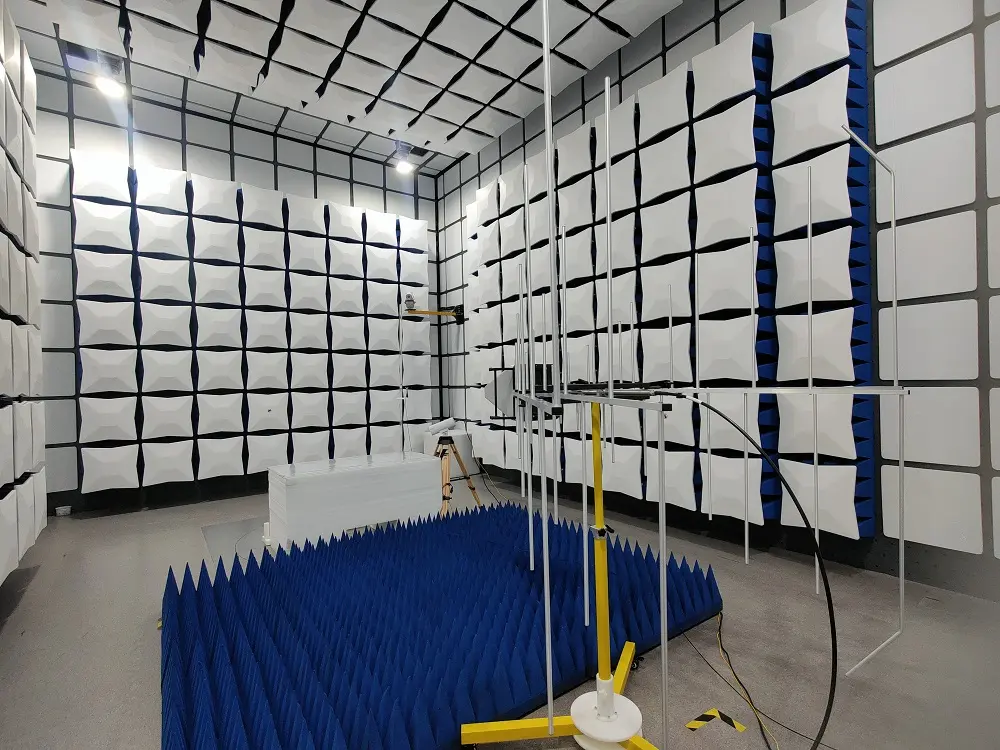
Electromagnetic Radiation Specific Absorption Rate Testing Standards
1. Service Background
With the rapid development of wireless information technology, as people enjoy the convenience brought by radio communication devices, there is increasing concern about the electromagnetic radiation from wireless communication terminals affecting human health. Governments, telecommunications regulatory agencies, etc., require electromagnetic wave radiation to be reduced to an appropriate level. Specific Absorption Rate (SAR) is used to measure the magnitude of electromagnetic radiation.
2. Product Range
Wireless communication devices such as mobile phones, tablets, and laptops.
3. Testing Standards
- European Union: EN62311, en62479, EN50663, EN50360, EN50566, etc.
- United States: Part 2.1091, Part 2.1093 RF Exposure, Published KDB, etc.
- Canada: RSS 102 Issue 5
- Japan: ARIB STD-T56
Solution
The DASY5 electromagnetic radiation Specific Absorption Rate (SAR) testing system has Bluetooth, WIFI, 2G/3G/4G/5G full-band sar testing capabilities, meeting certification requirements of various countries.
JJRLAB's Advantages
1. sar testing laboratories have obtained CNAS, ISO/IEC 17025, and other accreditations, capable of testing multiple national and regional standards.
2. Automated testing systems ensure high efficiency and accuracy.
Email:hello@jjrlab.com
Write your message here and send it to us
 What is UL 1642 Compliance Certification?
 What Is Amazon's UL 60335 Standard
 How to get a UL 60335 Test Report
 What is UL 60335 Certification Compliance?
 What is EN 61000 Certification Compliance?
 How to get an EN 61000 Test Report?
 What is the Amazon EN 55035 Standard?
 What is EN 55035 Certification Compliance?
Leave us a message
24-hour online customer service at any time to respond, so that you worry!