



ISO 10993-23 Irritation Testing
As the medical device industry faces increasingly stringent biocompatibility requirements, the ISO 10993 series of standards has become a key reference in product development and regULatory submissions. Among them, iso 10993-23 specifically addresses irritation testing. Today, let’s explore the key content and practical strategies of this standard.
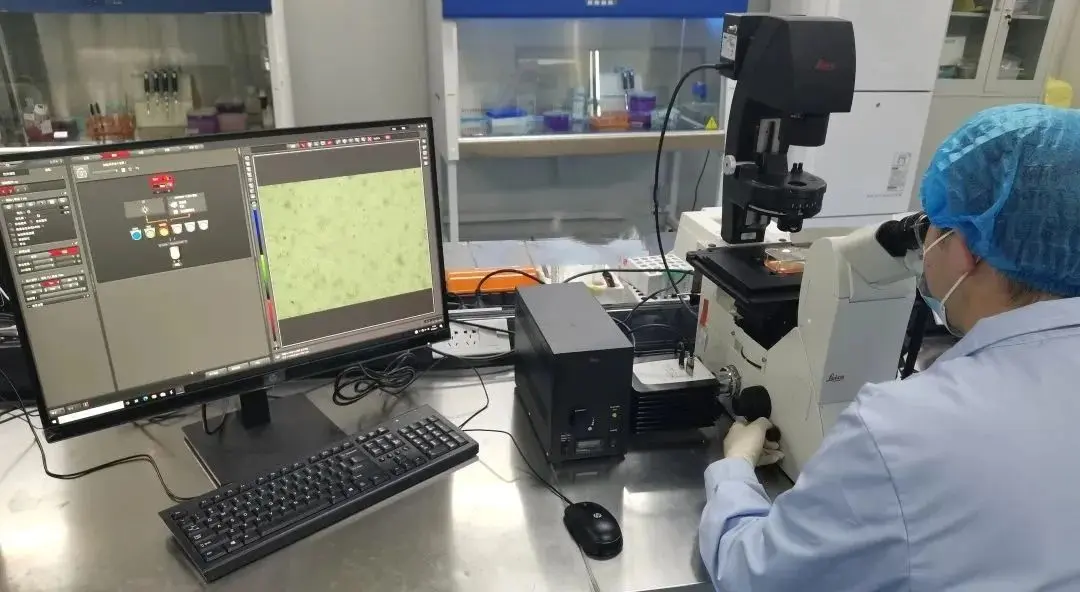
What is irritation testing?
Irritation testing aims to evaluate whether the materials or products of a medical device may cause adverse reactions in the skin, eyes, or mucosal tissues. According to the ISO 10993-23 standard, the current testing methods include:
• Intracutaneous (Intraderma) Irritation Testing
• Primary Irritation Testing
• Tissue-Specific Irritation Testing (e.g., oral, ocular, vaginal)
• In Vitro Methods (Reconstructed Human Epidermis model - RhE)
Detailed Overview of Irritation Testing Methods
1. Intracutaneous Irritation Testing
Intracutaneous testing is a highly sensitive method suitable for most contact types of medical devices. It typically uses samples extracted according to ISO 10993-12.
⚠ Note: If the material is initially consideRED an irritant to the skin, eyes, or mucosal tissues, or if its pH is less than 2.0 or greater than 11.5, intracutaneous testing should be avoided. In such cases, comparison with similar approved products (predicate devices) or risk-benefit assessment in a De Novo or PMA submission should be considered.
Example: For dermal fillers intended for subcutaneous injection, direct injection testing may be conducted.
2. Primary Irritation Testing
Also known as direct skin contact testing, this method applies to products that only contact intact skin, such as bandages and wound dressings. The method involves applying the sample or its extract directly to the skin of test animals.
Reminder: If the product is for prolonged contact (>24 hours), repeated exposure testing is recommended. Also, be mindful of the definition of “intact skin”—certain populations (e.g., elderly, infants, diabetics, or those with skin conditions) may have compromised barrier functions even without visible wounds.
3. Tissue-Specific Irritation Testing
Some products that come into direct contact with specific tissues, such as the eyes, mouth, or vagina, may require specific irritation testing, for example:
• Oral irritation: dental adhesives, mouthwashes, mouthguards
• Ocular irritation: contact lenses, ophthalMIC implants
• Vaginal irritation: catheters, lubricants, condoms
These tests can often replace intracutaneous testing. However, if a product contacts multiple tissue types, both intracutaneous and tissue-specific tests may be required.
4. In Vitro Reconstructed Human Epidermis Model (RhE)
This emerging method does not rely on animal testing. However, it has not yet been officially recognized by the FDA as a standard testing approach for medical devices.
Suggestion: If a company wishes to avoid animal testing, it may submit a Pre-Submission to the FDA to discuss how to demonstrate the validity of such in vitro methods.
ISO 10993-23 is an essential part of biocompatibility evaluation for medical devices. Different types of products should select appropriate irritation testing methods based on actual contact type, duration of contact, and patient population.
Email:hello@jjrlab.com
Write your message here and send it to us
 What Are the Testing Items of California Propositi
 E-Cigarette EU TPD Testing
 Testing Certification for E-cigarettes Exported to
 What is Amazon US CPC Certification?
 UK Toy Safety Regulation Standard EN 71-13
 What is EU UFI Registration?
 EU UFI Registration for E-cigarette E-liquid
 How to get the MSDS Report for Electronic Cigarett
Leave us a message
24-hour online customer service at any time to respond, so that you worry!