



ISO 10993-18 Chemical Characterization Testing Laboratory
China's JJRLAB Laboratory holds ISO 10993-18 testing qualifications issued by the American Association for Laboratory Accreditation (ISO/IEC 17025). Since the implementation of the 2020 version of iso 10993-18, the test's operability has been enhanced, giving unprecedented importance to the method of chemical characterization/risk assessment.
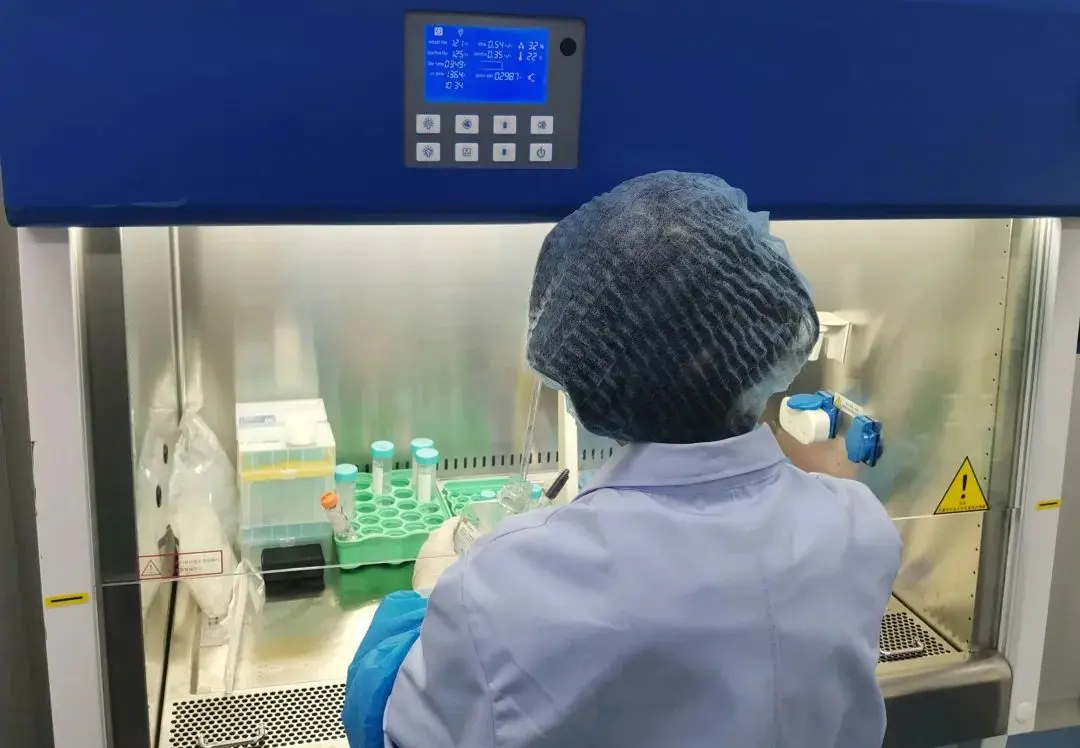
Chemical Characterization - Biological Evaluation of Medical Devices
- As the First Step in the Biological Evaluation of Medical Devices: According to iso 10993-1:2018, Section 6.1, collecting physical and chemical information about medical devices or components is a crucial first step in the biological evaluation process and material characterization.
- Exemption from Some Animal Tests: Under the broader context of the 3R principles for animal testing, both ISO 10993-1 and iso 18562-1 mention that chemical characterization/risk assessment can replace some systemic reactions (e.g., acute, subacute, subchronic and chronic toxicity, reproductive and developmental toxicity, genotoxicity, and carcinogenicity).
- Selection of Raw Materials: ISO 10993-1:2018, Section 4.2, states that when selecting materials for manufacturing medical devices, one should first consider the suitability of the material properties and performance, including chemical, toxicological, physical, electrical, morphological, and mechanical properties.
JJRLAB, located in China, holds several accreditations including CMA, CNAS, CBTL, NRTL, NVLAP, GAC, and FDA ASCA. We provide professional and efficient one-stop testing and certification services for medical device companies, potentially saving you 30% on medical deviCE certification testing costs.
Email:hello@jjrlab.com
Write your message here and send it to us
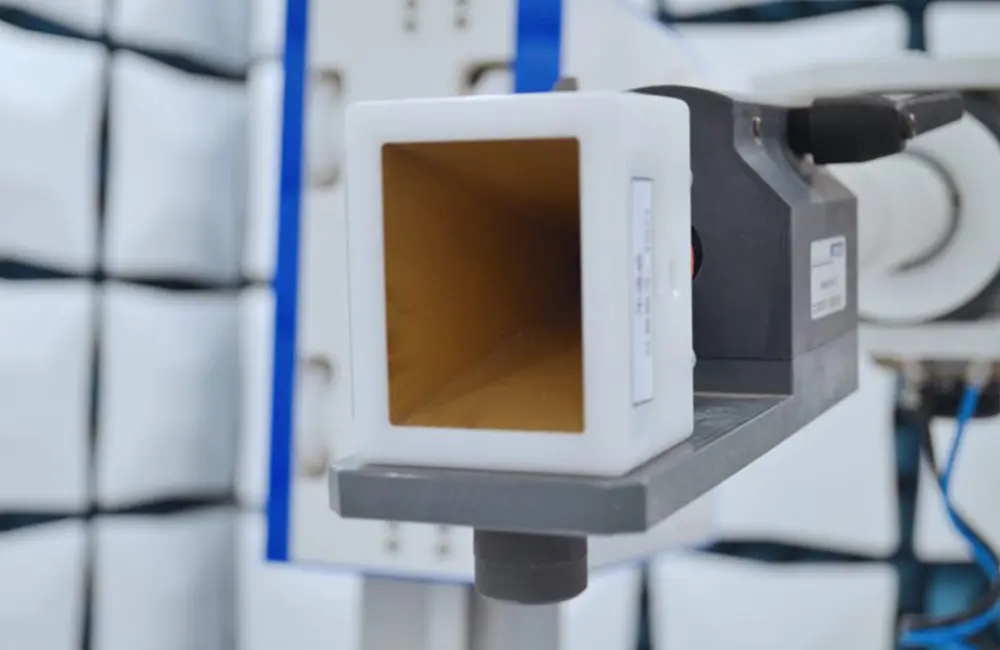 What is EN 61000 Certification Compliance?
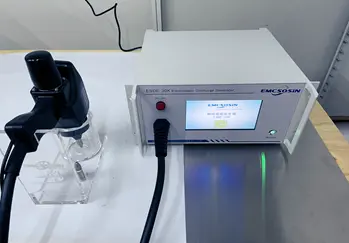 How to get an EN 61000 Test Report?
 What is the Amazon EN 55035 Standard?
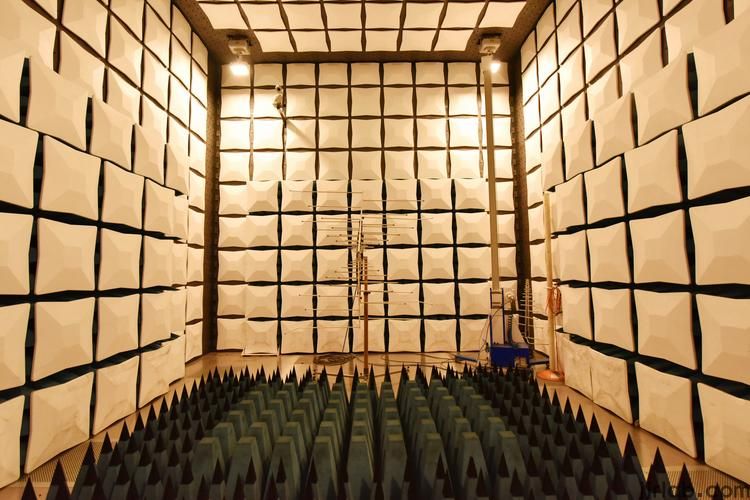 What is EN 55035 Certification Compliance?
 How to get the EN 55035 Test Report?
 What is the Amazon EN 301 489 Standard?
 How to get an EN 301 489 Test Report?
 What is EN 301 489 Compliance Certification?
Leave us a message
24-hour online customer service at any time to respond, so that you worry!