



Indonesia SNI Certification Testing Guide for Electric Fans
Overview of Indonesia SNI Certification
The Indonesian National Standard (SNI – Standard National Indonesia) is the only applicable standard in Indonesia. It is formulated by the Indonesian Technical Committee and defined by the National Standardization Agency of Indonesia (BSN). The development of SNI follows the principles of transparency, fairness, and cooperation as per WTO regulations, aiming to protect consumer rights and promote industrial development.
All regulated products exported to Indonesia must bear the SNI marking; otherwise, they cannot enter the Indonesian market.
Market Outlook
Indonesia has a tropical climate and is located near the equator. Its hot and humid conditions provide a vast sales potential for electric fans. As consumers increasingly seek comfort and energy efficiency, the demand for electric fans continues to grow. Fans with energy-saving, low-noise, and smart control features are particularly favored. Hence, the market prospect for electric fans in Indonesia is highly promising.
To ensure the safety of electric fan products, the Indonesian Ministry of Industry has established strict regulations and standards. Before selling electric fans in Indonesia, products must meet the relevant requirements and obtain SNI certification. The standards cover various types of fans, including ceiling fans, duct fans, pedestal fans, table fans, and wall-mounted fans.
Testing Items for Electric Fans
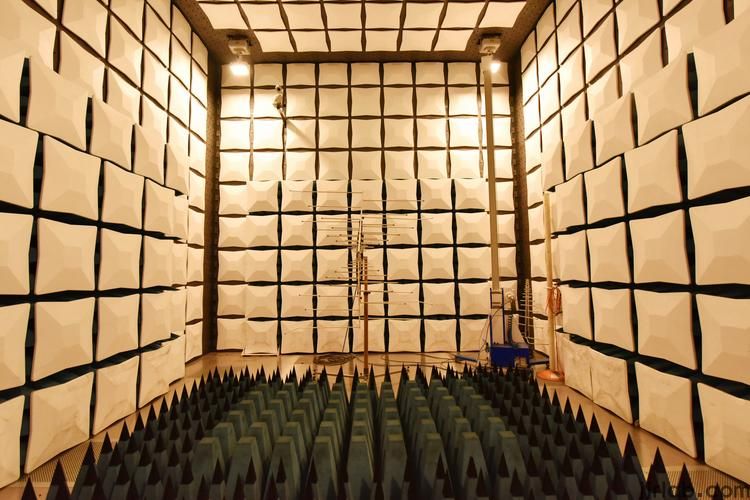
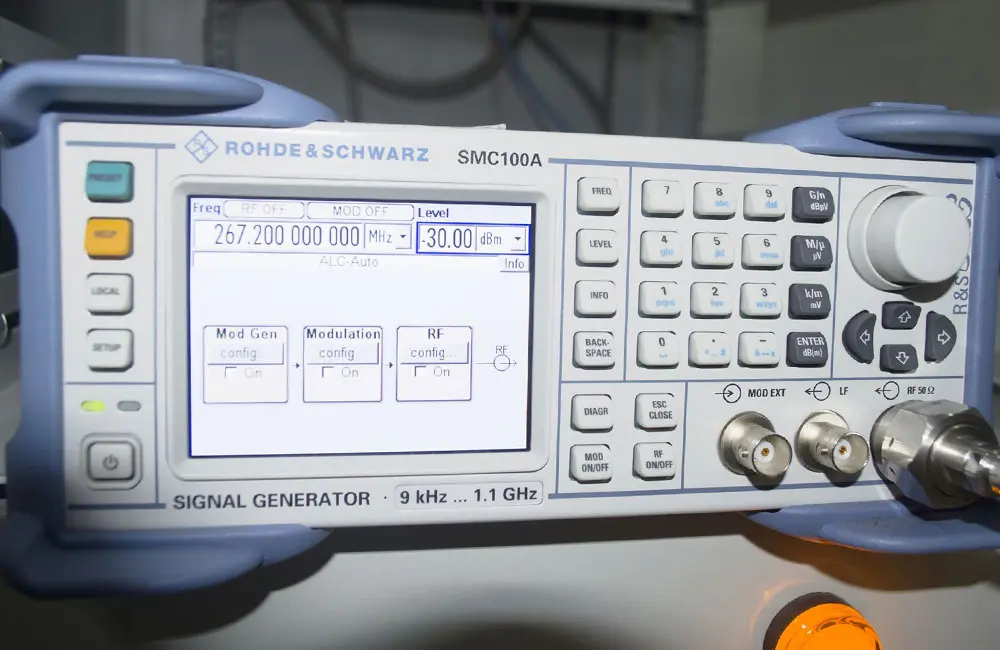
The safety testing standards for electric fans in Indonesia are SNI 7859:2013 and SNI 7609:2011, which reference iec 60335-1 and IEC 60335-2-80. The testing includes Electromagnetic Compatibility (EMC) and Electrical Safety (Regulations Compliance).
1. Electromagnetic Compatibility (EMC) Tests (if applicable)
- Conducted Disturbance Test
- Radiated Disturbance Test
- Immunity Test
2. Electrical Safety Tests (if applicable)
- Marking and Instructions
- Protection Against Access to Live Parts
- Starting of Electrical Appliances
- Input Power and Current
- Heating
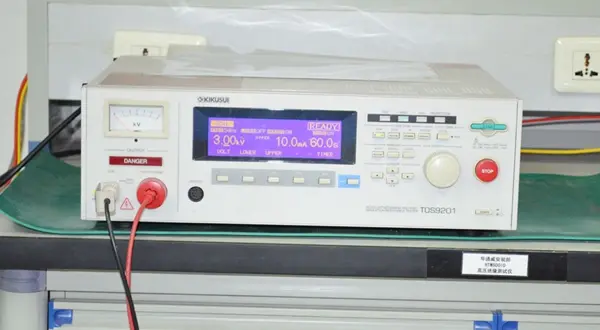
- Leakage Current and Electric Strength Under Operating Conditions
- Moisture Resistance
- Leakage Current and Electric Strength
- Overload Protection of Transformers and Related Circuits
- Abnormal Operation
- Stability and Mechanical Hazards
- Mechanical Strength
- Structure
- Internal Wiring
- Power Connections and External Flexible Cords
- Terminals for External Conductors
- Grounding Measures
- Screws and Connections
- Clearance, Creepage Distance, and Solid Insulation
- Resistance to Heat and Fire
- Rust Prevention
SNI Certification Model and Process
The certification process involves factory audits and sample testing.
- Factory Audit: Conducted according to ISO 9001 standards.
- Sample Requirements: A minimum of five units per model per brand per series.
- Annual Supervision Audits
The certification process follows these steps:
1. Document Submission
2. Factory Audit
3. Sample Testing
4. Certificate Review
5. Certificate Issuance
6. Usage of Certification Mark
Other Household Appliances Requiring Mandatory SNI Certification
Several other household appliances require SNI certification for compliance with safety and performance standards. These include:
- Vacuum Cleaners (SNI IEC 60335-2-2: 2012) – Safety requirements for vacuum cleaners and water suction cleaning appliances.
- Toasters and Portable Ovens (SNI IEC 60335-2-9: 2010) – Safety requirements for toasters, grills, and similar portable cooking appliances.
- Hair Dryers and Curling Irons (SNI IEC 60335-2-23: 2010) – Safety requirements for appliances for skin and hair care.
- Microwave Ovens (SNI IEC 60335-2-25: 2010) – Safety requirements for microwave ovens, including combination models.
- Electric Shavers (SNI IEC 60335-2-8: 2012) – Safety requirements for electric shavers and hair clippers.
- Electric Massage Devices (SNI IEC 60335-2-32: 2012) – Safety requirements for massage appliances.
- Food Processors (SNI IEC 60335-2-14: 2011) – Safety requirements for kitchen appliances.
- Multi-functional Electric Cookers (SNI IEC 60335-2-15: 2011) – Safety requirements for liquid heating appliances.
- Refrigerators (SNI 8557-1:2018 IEC 62552-1:2015) – General and performance requirements for household refrigeration appliances.
- Electric Irons (SNI 04-6292.2.3-2003) – Safety requirements for electric irons.
- Washing Machines (SNI IEC 60335-2-7: 2009) – Safety requirements for washing machines.
- Air Conditioners (SNI IEC 60335-2-40: 2009) – Safety requirements for electric heat pumps, air conditioners, and dehumidifiers.
- Electric Kettles and Rice Cookers (SNI IEC 60335-2-15:2011) – Safety requirements for electric kettles (≤10L) and rice cookers (≤3L, ≤1000W).
- Refrigerators, Ice Cream Makers, and Ice Machines (SNI IEC 60335-2-24:2009) – Safety requirements for refrigeration appliances.
- Immersion Water Heaters (SNI IEC 60335-2-74:2010) – Safety requirements for portable electric water heaters.
Professional SNI Certification Services
As a professional Southeast Asian certification service provider, JJR Laboratory offers comprehensive certification solutions backed by extensive industry experience and a professional technical team.
Our services include:
- Sample shipment
- Product testing
- Factory audits
We maintain close cooperation with various Indonesian laboratories to ensure efficient and accurate testing. Additionally, our factory audit specialists will guide and assist throughout the entire factory inspection process, ensuring a smooth certification experience.
Email:hello@jjrlab.com
Write your message here and send it to us
 How to get an EN 301 893 test report?
 What is EN 301 893 Certification Compliance
 What is the CSA 62368-1 Standard?
 Canadian Pacifier Compliance SOR/2016-184
 US Agent for FCC & EC REP for CE: Compliance R
 What is Recycling of WEEE
 What is PPWR Packaging Compliance
What is Extended Producer Responsibility
What is PPWR Packaging Compliance
What is Extended Producer Responsibility
Leave us a message
24-hour online customer service at any time to respond, so that you worry!