



IEC62619 Certification Testing Laboratory
IEC62619, released on February 13, 2017, outlines general requirements for secondary lithium-ion batteries used in industrial applications.
The testing content includes: product structural design, safety testing, functional safety evaluation, and more.
Product safety testing requirements include: external short circuit, impact, drop test, thermal abuse, overcharge, forced discharge, internal short circuit, thermal runaway, and other tests.
Testing Capabilities
- Coverage: Nickel-based and lithium-based batteries for portable electronic products
- Applicable Regions: United Nations member countries
- Testing Period: Based on experimental testing conditions
- Testing Quote: A comprehensive assessment based on product characteristics and testing requirements
Testing Advantages
- Anbotek Testing has a CNAS/CMA accredited reliability laboratory
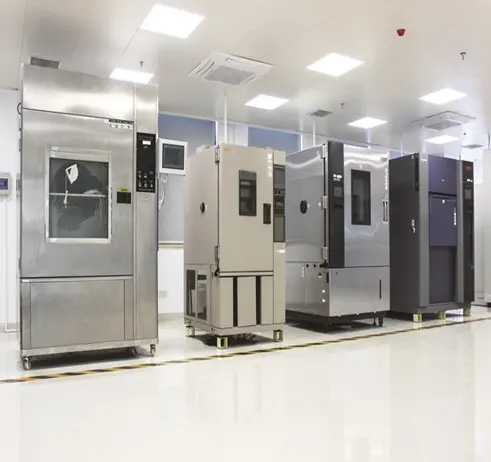
- Relatively low cost, with a charge/discharge capacity up to 800V/600A, and a walk-in temperature chamber
- JJR Laboratory possesses comprehensive capabilities, with a technical expert team rich in practical experience, providing one-stop services for inspection, appraisal, testing, and certification.
Email:hello@jjrlab.com
Write your message here and send it to us
 What is UL 1642 Compliance Certification?
 What Is Amazon's UL 60335 Standard
 How to get a UL 60335 Test Report
 What is UL 60335 Certification Compliance?
 What is EN 61000 Certification Compliance?
 How to get an EN 61000 Test Report?
 What is the Amazon EN 55035 Standard?
 What is EN 55035 Certification Compliance?
Leave us a message
24-hour online customer service at any time to respond, so that you worry!