



How to Apply for FCC Certification for Motors?
Introduction to Motors:
A motor is a device that converts electrical energy into mechanical energy, widely used in industries, household appliances, transportation, and other fields. There are various types of motors, including DC motors, AC motors, and stepper motors, each suited for specific applications. To export motors to the United States, fcc certification is required.
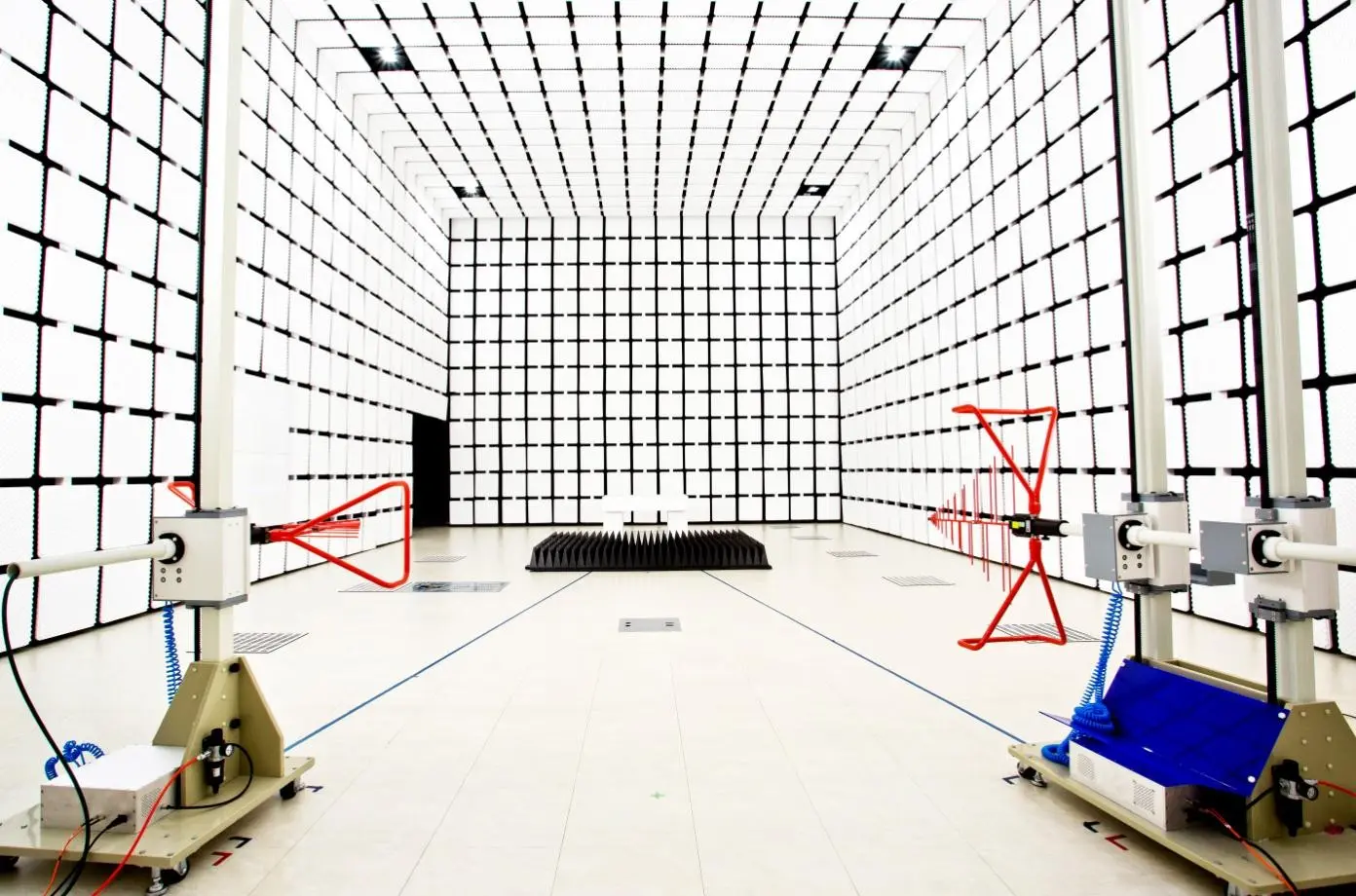
Overview of fcc certification:
The Federal Communications Commission (FCC), established in 1934 by the COMMUNICATION ACT, is an independent U.S. government agency reporting directly to Congress. FCC regulates domestic and international communications through radio, television, telecommunications, satellites, and cables. It ensures the safety of radio and wire communication products related to life and property across 50 U.S. states, Washington, D.C., and U.S. territories. Many radio frequency devices, communication products, and digital products must obtain fcc approval—known as FCC certification—before entering the U.S. market.
fcc certification testing Standards for Motors:
fcc 47 cfr part 15: Subpart B (for wireless devices)
FCC 47 CFR Part 18 (for industrial, scientific, and medical equipment)
FCC Certification Application Process for Motors:
1. Submit the FCC application form to China JJR Laboratory.
2. Sign the testing service contract.
3. Send product samples and provide the product manual for testing.
4. Upon passing the tests, receive a compliance certificate and report.
5. After obtaining FCC certification, the product can bear the fcc mark.
6. Application Timeline: Approximately two weeks.
Email:hello@jjrlab.com
Write your message here and send it to us
 What is the Amazon UL 1642 Test Standard?
 How to get a UL 1642 Test Report?
 What is UL 1642 Compliance Certification?
 What Is Amazon's UL 60335 Standard
 How to get a UL 60335 Test Report
 What is UL 60335 Certification Compliance?
What is EN 61000 Certification Compliance?
What is UL 60335 Certification Compliance?
What is EN 61000 Certification Compliance?
 How to get an EN 61000 Test Report?
Leave us a message
24-hour online customer service at any time to respond, so that you worry!