



How Much Does an Amazon CPC Certificate Cost?
China’s JJR Laboratory, an IEC 17025-accredited lab, offers CPC Certification services required for Amazon product listings. Based in China, we can help you save up to 30% on costs. The price range for a CPC certificate from JJR Laboratory is between $500 and $1,200.

What is an Amazon CPC certificate?
To ensure the safety and compliance of children’s products, Amazon requires that all products designed or sold for children aged 12 and under must have a CPC (Children’s Product Certificate). Let’s dive into the details and considerations for obtaining an amazon cpc certificate.
Contents of the CPC Certificate
A CPC certificate is a product certification program designed to meet regulatory requirements on platforms like Amazon. It includes various tests and documentation related to safety, performance, and compliance. Specifically, Amazon requires the following information in the CPC certificate:
1. Product Name and Description
A precise description of the product and its relevant details.
2. Applicable Regulations and Standards
A list of all regulations and standards that the product complies with.
3. Importer or Manufacturer Information
Includes name, address, and phone number.
4. Contact Information of the Certificate Holder
The name, address, email, and phone number of the person holding the test result documentation.
5. Production Date and Address
The production date (month and year) and location (city-level specificity).
6. Testing Date and Location or Basis of Test Reports
Details of testing time and location or relevant test report information.
7. Applicable Consumer Product Safety Regulations
The specific regulations forming the basis of product certification.
CPC Certification Testing Scope
CPC certification is mandatory for children's products entering the Amazon marketplace, ensuring children’s safety and compliance.
Types of Testing
1. Initial Testing
Performed for the first batch of products.
2. Material Change Testing
Required when any material changes occur.
3. Periodic Testing
Complementary to material change testing. Even without material changes, periodic testing must be conducted at least annually.
4. Component Testing
In some cases, component-level testing is conducted even after testing the complete product to ensure compliance.
Common Tests Include:
- Toys
- cpsia: Total Lead + Phthalates
- ASTM F963: U.S. Toy Safety Standards
- 16 CFR Part 1505: Electric Toy Safety Standards
- Children’s Apparel
- CPSIA: Total Lead + Phthalates
- 16 CFR Part 1610: Flammability Standards for Clothing Textiles
- Other Children’s/Infant Products
Standards for strollers, cribs, playpens, harnesses, car seats, bicycle helmets, and similar products.
Which Products Require CPC Certification?
CPC certification is applicable for all children’s products sold in the United States if:
1. The product is designed or marketed for children aged 12 and under.
2. The packaging or sales description indicates suitability for children aged 12 and under.
3. The product is widely regarded as primarily intended for children aged 12 and under.
Note: Products requiring CPC certification are not limited to those explicitly targeting children aged 12 and under. Any mention of children aged 12 and under in packaging or sales descriptions can trigger CPC certification requirements, leading to potential misjudgments by sellers due to sensitive wording.
Key Considerations for Obtaining a CPC Certificate
1. Choose a Qualified Third-Party Testing Lab
CPC certification relies on laboratory testing performed by a third-party lab recognized by the Consumer Product Safety Commission (CPSC).
China’s JJR Laboratory is an officially authorized CPSC lab.
2. Understand Relevant Standards and Regulations
Familiarize yourself with CPC certification standards and requirements, including material safety, flammability, chemical restrictions, and physical performance.
3. Prepare Comprehensive Application Materials
Collect and prepare product details, third-party test reports, and compliance statements. Test reports should include results for physical, chemical, and mechanical properties.
4. Timely Follow-Up and Review
Maintain communication with certification bodies and update files as needed during production. Notify them of any product changes promptly.
5. Monitor Regulatory Updates
Stay updated on the latest standards and regulations to ensure compliance. Update or improve your product as needed to meet new requirements.
Benefits of CPC Certification
1. Enhances Consumer Trust
Products with CPC certification are more likely to gain consumer trust, boosting market competitiveness.
2. Increases Exposure and Sales
CPC-certified products are easier to find and recommend on Amazon, enhancing visibility and sales.
3. Mitigates Legal Risks
Selling products without CPC certification can result in penalties, lawsuits, or safety concerns. Obtaining a CPC certificate is essential for successful sales on Amazon.
About JJR Testing
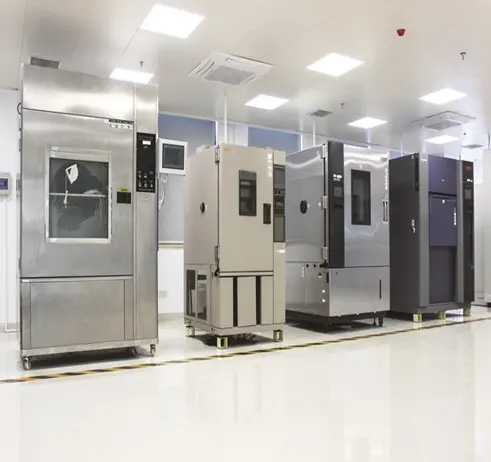
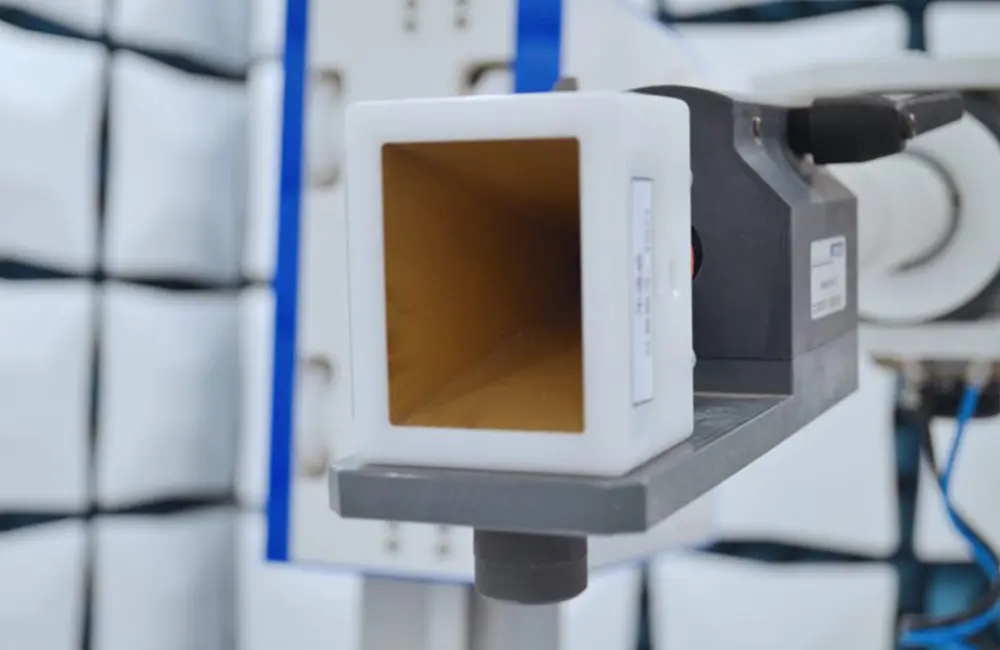
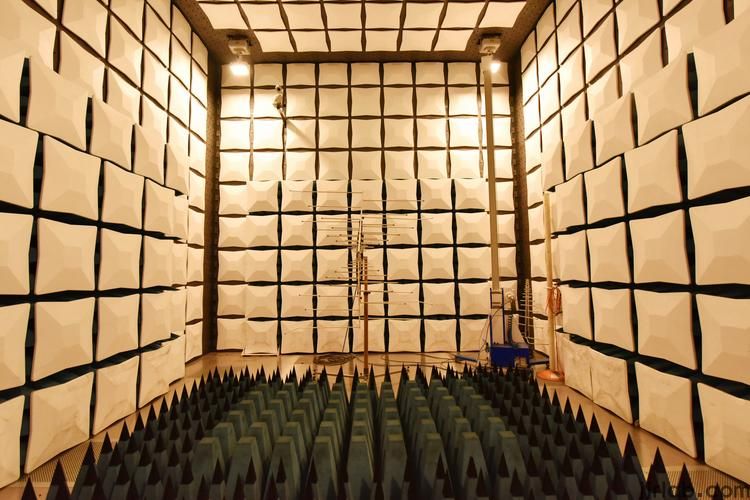
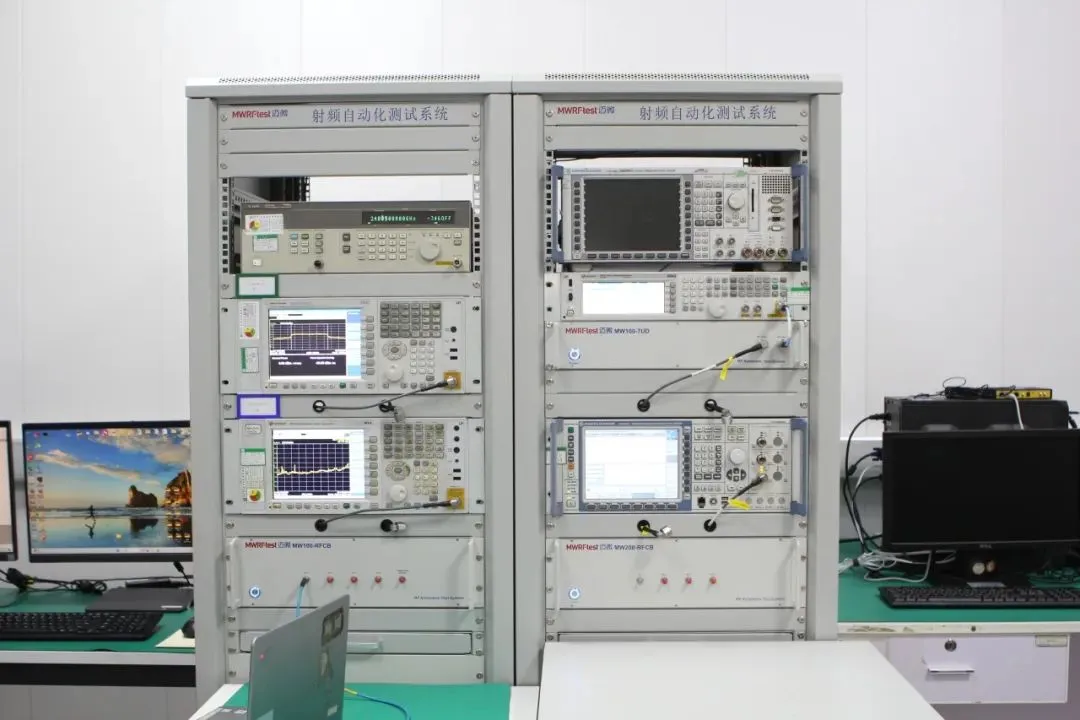
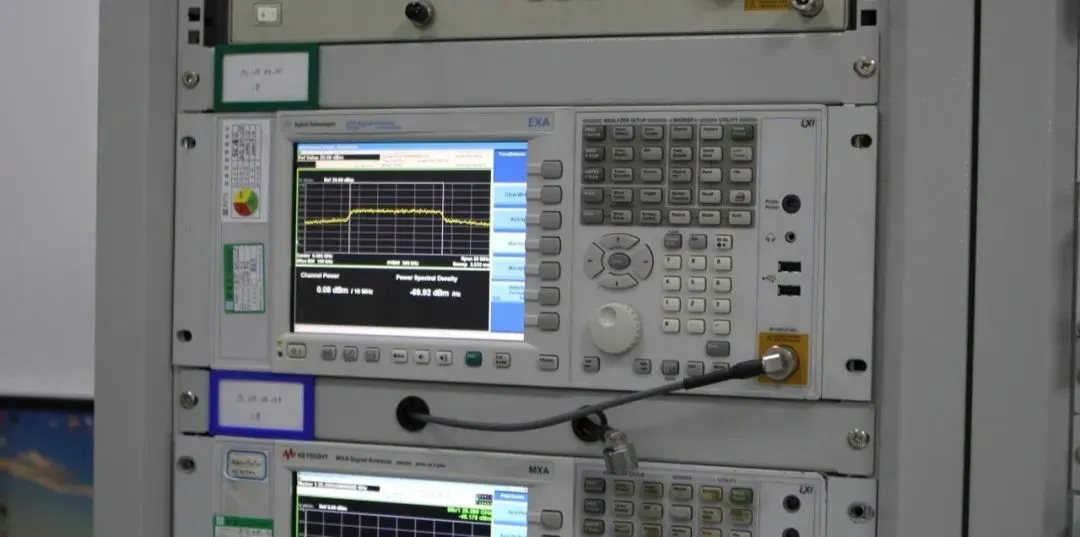
JJR Laboratory provides services in EMC, RF, safety, chemical, and reliability testing. Equipped with facilities like fully shielded chambers, 966 chambers, 10-meter chambers, and noise testing rooms, we deliver precise test data and one-stop certification services. Let us help ensure your product complies with global regulations. Contact us anytime for assistance!
Email:hello@jjrlab.com
Write your message here and send it to us
 How to get a UL 60335 Test Report
 What is UL 60335 Certification Compliance?
 What is EN 61000 Certification Compliance?
 How to get an EN 61000 Test Report?
 What is the Amazon EN 55035 Standard?
 What is EN 55035 Certification Compliance?
 How to get the EN 55035 Test Report?
 What is the Amazon EN 301 489 Standard?
Leave us a message
24-hour online customer service at any time to respond, so that you worry!