



FCC ID Certification Considerations
The fcc stands for the Federal Communications Commission, an independent U.S. government agency established in 1934 by the Communications Act. It reports directly to Congress. The FCC regulates domestic and international communications through radio, television, telecommunications, satellite, and cable, covering all 50 U.S. states, the District of Columbia, and U.S. territories. To ensure the safety of radio and wire communication products related to life and property, the FCC's Office of Engineering and Technology (OET) provides technical support to the commission and oversees equipment authorization matters.
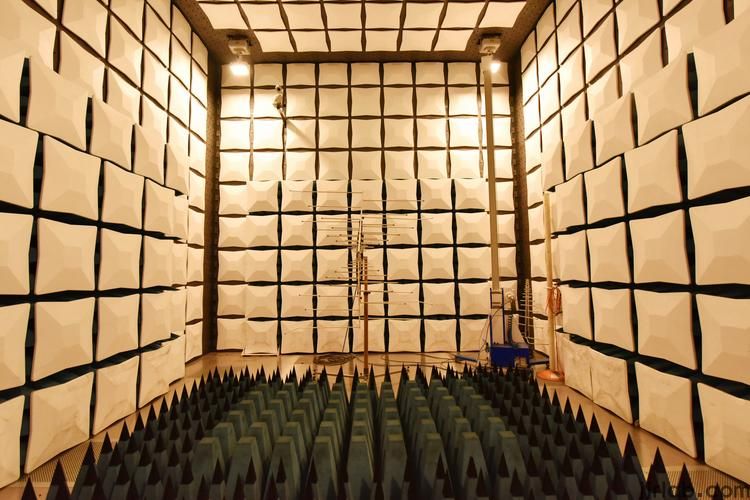
The fcc certification process includes two types: fcc sdoc Certification and fcc id Certification. Today, we will focus on fcc id certification.
Products Requiring FCC ID Certification
Products requiring FCC ID certification include wireless devices such as:
- Bluetooth devices
- Tablets
- Wireless keyboards
- Wireless mice
- Wireless readers
- Wireless transceivers
- Walkie-talkies
- Wireless microphones
- Remote controllers
- Wireless network devices
- Wireless video transmission systems
- Other low-power wireless products
- 2G, 3G, 3.5G, and DECT phones (1.8G, 1.9G bands)
FCC ID Certification Sample Requirements
1. One RF fixed-frequency sample and one standard sample.
2. For multi-channel products, the fixed-frequency sample should accommodate all channels. For single-channel devices, provide a continuous transmission sample.
Key Considerations for FCC ID Certification
1. Upon registering the applicant's company with the FCC, an FCC code is issued by the authority. The product code must be defined by the applicant and:
- Can only consist of uppercase letters, numbers, or hyphens ("-").
- Cannot include other symbols or lowercase letters.
- Must not exceed 14 characters.
2. Both the product label and user manual must include the FCC warning statement.
3. After obtaining the FCC-ID certificate, the fcc logo cannot be used. The label should only display the fcc id number. Only products certified under FCC sdoc are permitted to bear the FCC logo.
4. For transmission devices, such as a product with both a main unit and a handle capable of transmission, separate FCC ID certificates are required for each transmitting component.
Email:hello@jjrlab.com
Write your message here and send it to us
 What is UL 1642 Compliance Certification?
 What Is Amazon's UL 60335 Standard
 How to get a UL 60335 Test Report
 What is UL 60335 Certification Compliance?
 What is EN 61000 Certification Compliance?
 How to get an EN 61000 Test Report?
 What is the Amazon EN 55035 Standard?
What is EN 55035 Certification Compliance?
What is the Amazon EN 55035 Standard?
What is EN 55035 Certification Compliance?
Leave us a message
24-hour online customer service at any time to respond, so that you worry!