



CE Testing Items for Electronic Appliances
As is well known, CE certification is mandatory in the EU, and virtually all products entering the EU must comply with EU CE standards. Common electronic appliance categories include household appliances, IT/AV products, lighting products, wireless or communication terminal products, and mechanical equipment products. So, what are the main test contents for these common products exported to Europe for CE certification? What are the objectives of these tests?
Firstly, ce testing for electronic appliances primarily involves EMC (Electromagnetic Compatibility), LVD (low voltage directive) safety, and RF (Radio Frequency).
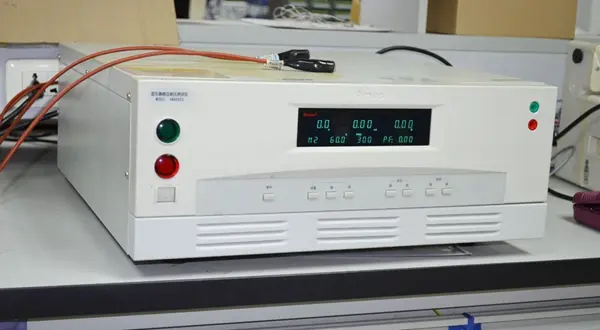
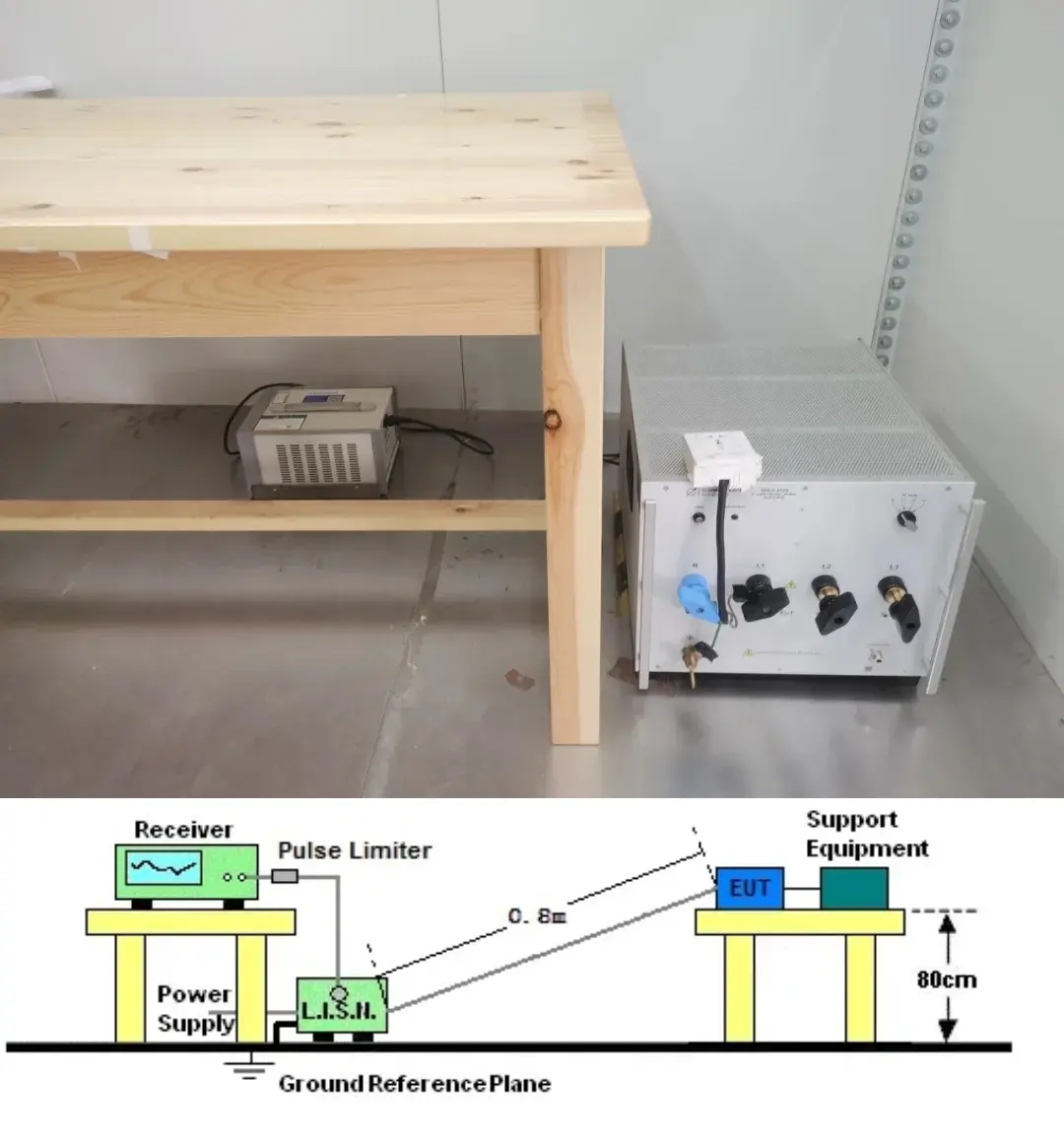
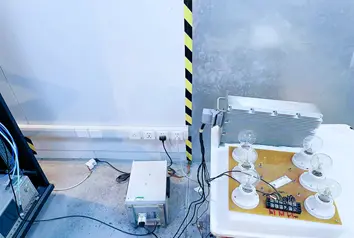
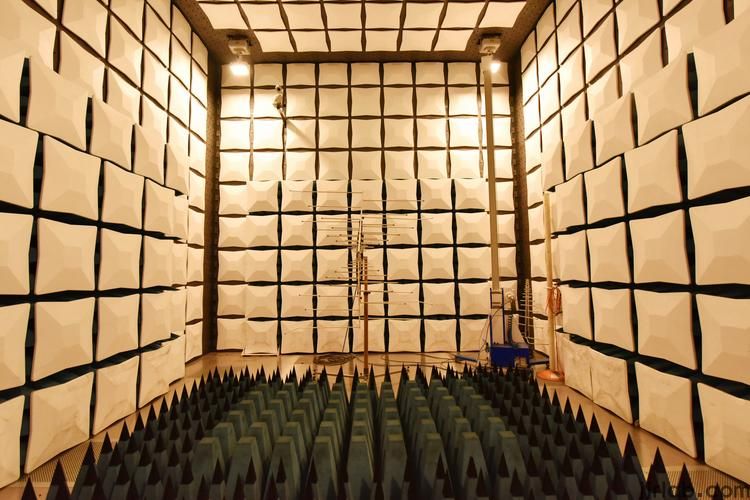
The purpose of emc testing is to assess the impact of electromagnetic radiation emitted by electrical products on humans, public environments, and other electrical appliances in normal operation. EMC includes two main aspects: EMI (interference) and EMS (susceptibility, immunity to interference). emi test items include: radiated emissions (RE), conducted emissions (CE), harmonic emissions, flicker, etc. EMS test items include: electrostatic discharge (ESD), transient burst immunity (EFT), voltage dips and interruptions (DIP), conducted susceptibility (CS), radiated susceptibility (RS), surge immunity, etc.
lvd testing aims to ensure the safety performance of products under normal use conditions, reducing risks to people, property, and buildings. Key LVD test items include grounding, insulation, temperature rise, leakage current, and mechanical tests.
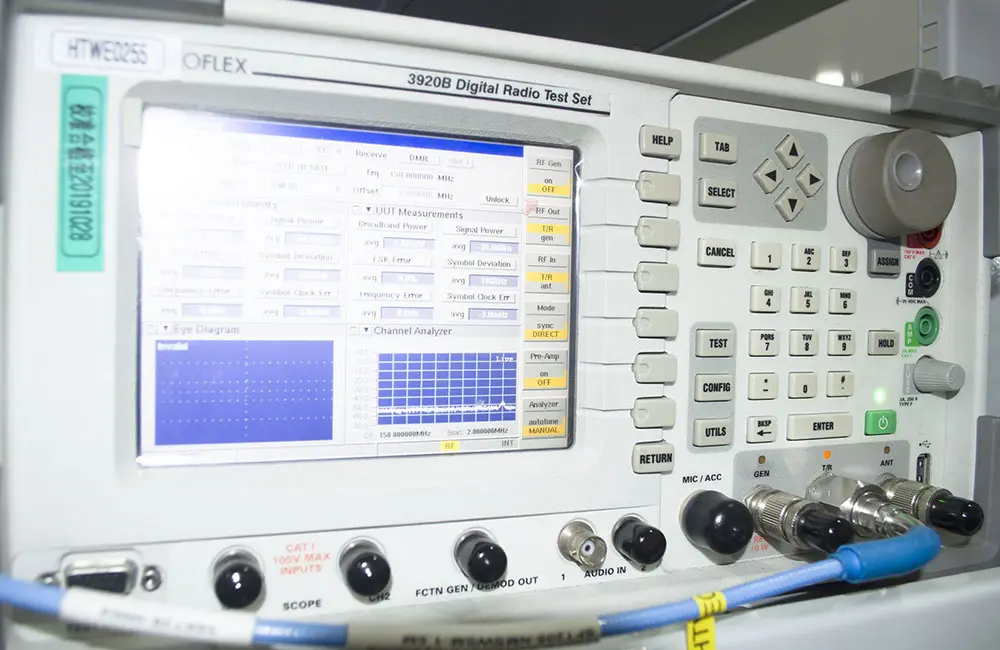
RF testing ensures that the radio frequency performance of wireless communication equipment complies with relevant standards and specifications, thereby ensuring communication quality and stability. Key RF test items include transmit power (conducted and radiated methods), transient emissions, adjacent channel power, broadband emissions, spectral emissions, frequency error, phase error, conducted and radiated spurious emissions, maximum available sensitivity, adjacent channel selectivity, blocking and desensitization, intermodulation suppression, and sar testing.
These are the common CE testing items for electronic appliances. Different products with varying functions and voltages may require different standards and test methods. The content and methods of testing should be tailored to the characteristics and actual needs of each product.
JJR Laboratory in China holds ISO 17025 accreditation and offers ce certification testing at lower costs. Feel free to contact us for a quotation!
Email:hello@jjrlab.com
Write your message here and send it to us
 What is UL 1642 Compliance Certification?
 What Is Amazon's UL 60335 Standard
 How to get a UL 60335 Test Report
 What is UL 60335 Certification Compliance?
 What is EN 61000 Certification Compliance?
 How to get an EN 61000 Test Report?
 What is the Amazon EN 55035 Standard?
 What is EN 55035 Certification Compliance?
Leave us a message
24-hour online customer service at any time to respond, so that you worry!