



CE-EN17128 Testing Requirements
With the increasing popularity of electric scooters, more companies are turning their attention to the European market. However, before products can enter the EU market, they must pass CE certification. CE certification is a mandatory requirement for access to the EU market, aimed at ensuring products comply with relevant safety, quality, and environmental standards. For electric scooters, the EN 17128 standard is a critical certification standard that must be adhered to.

What is EN 17128?
EN 17128 is a safety standard for electric scooters designed to ensure that their design, manufacturing, labeling, and usage comply with relevant safety requirements. It covers all aspects of electric scooters, including batteries, motors, braking systems, body structure, and user operation instructions. Products that fail to meet this standard cannot be sold in the EU market.
What Does the EN 17128 Standard Cover?
1. Safety Requirements: Electric scooters must meet basic safety requirements, including electrical safety, mechanical safety, and basic protective measures.
2. Quality Requirements: Electric scooters must meet quality requirements, including materials, manufacturing processes, and testing.
3. Environmental Requirements: Electric scooters must meet environmental requirements, including battery recycling and disposal, as well as noise control.
How to Ensure Compliance with the EN 17128 Standard?
Companies must strictly adhere to the requirements of the EN 17128 standard during product design and manufacturing, including the following aspects:
1. Electrical Safety: Companies must ensure the electrical system of the electric scooter meets relevant electrical safety standards, such as using safe wiring and plugs and having a reliable battery management system.
2. Mechanical Safety: Companies must ensure the mechanical system of the electric scooter meets relevant mechanical safety standards, such as body structure and braking systems.
3. Quality Requirements: Companies must ensure the materials and manufacturing processes of the electric scooter comply with relevant quality standards, including the quality and durability of materials.
4. Environmental Requirements: Companies must ensure the environmental requirements of the electric scooter meet relevant standards, including battery recycling and disposal, as well as noise control.
The EN 17128 standard is a critical certification requirement for electric scooters entering the EU market. Companies must strictly follow the standard during product design, manufacturing, and testing to ensure compliance with EU market entry requirements. Additionally, companies need to familiarize themselves with the ce certification process and requirements to facilitate smooth market entry in the EU.
Email:hello@jjrlab.com
Write your message here and send it to us
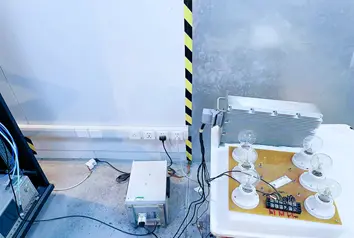 How to get a UL 60335 Test Report
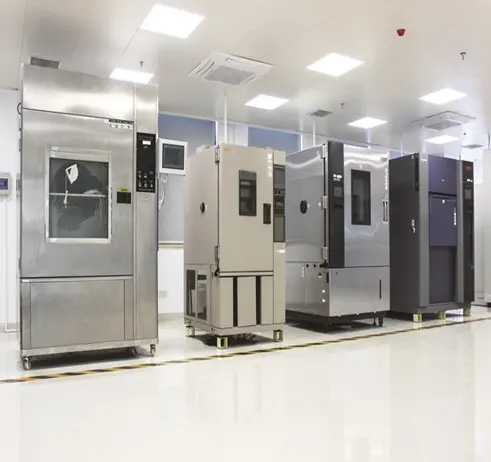 What is UL 60335 Certification Compliance?
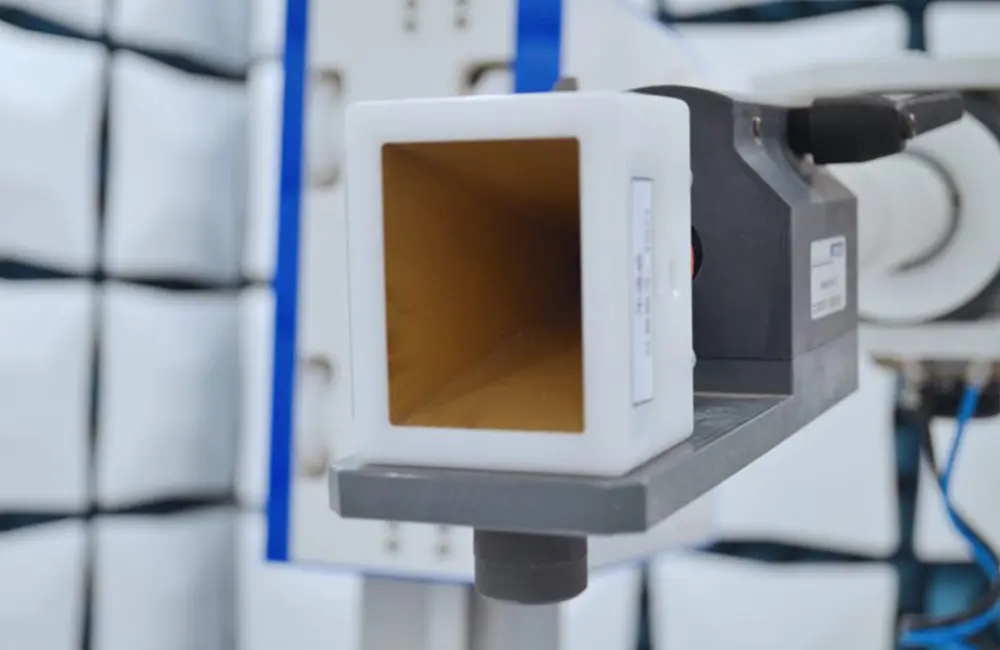 What is EN 61000 Certification Compliance?
 How to get an EN 61000 Test Report?
 What is the Amazon EN 55035 Standard?
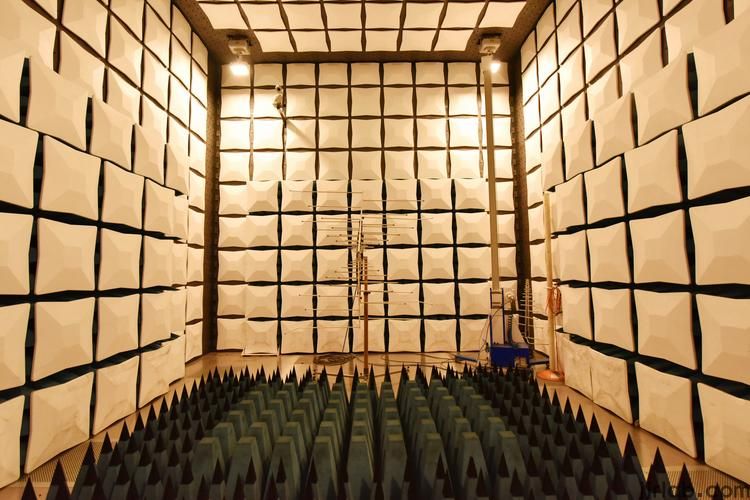 What is EN 55035 Certification Compliance?
 How to get the EN 55035 Test Report?
 What is the Amazon EN 301 489 Standard?
Leave us a message
24-hour online customer service at any time to respond, so that you worry!