



Canada IC Certificate Certification Process and Validity Period
The Canada ic certificate certification is a mandatory certification system implemented by the Canadian government to ensure the quality and safety of electronic devices imported and sold in Canada. It aims to ensure the quality and safety of telecommunication equipment, radio frequency devices, and other related products in the market, safeguard consumer rights, promote technological innovation, and maintain the normal operation of communication networks.
Canada IC Certificate Certification Process:
1. Product Testing:
- Send the product to a laboratory recognized by Industry Canada (IC) for testing;
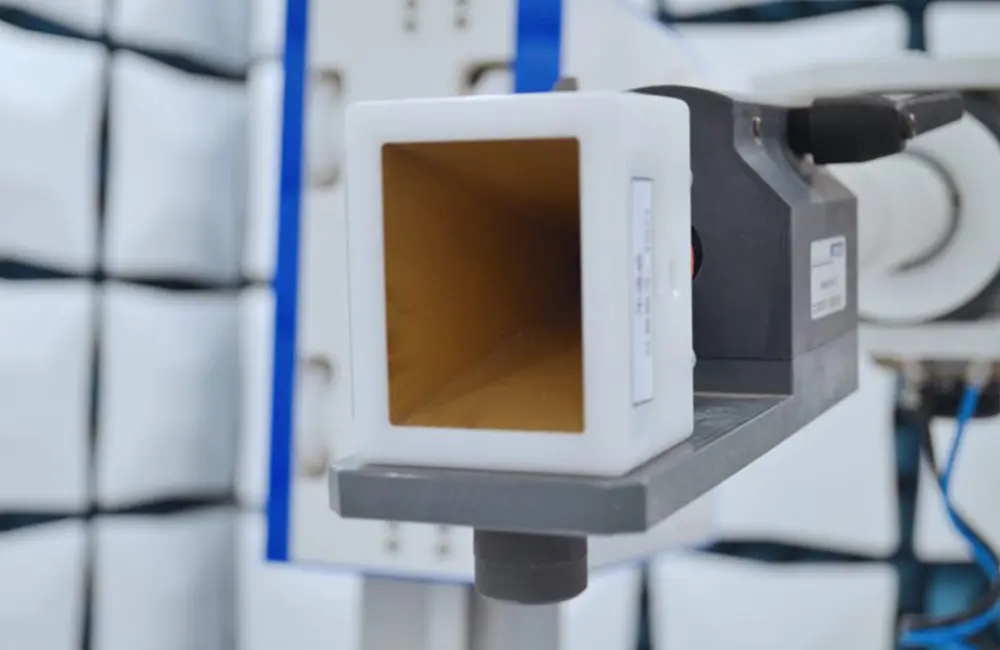
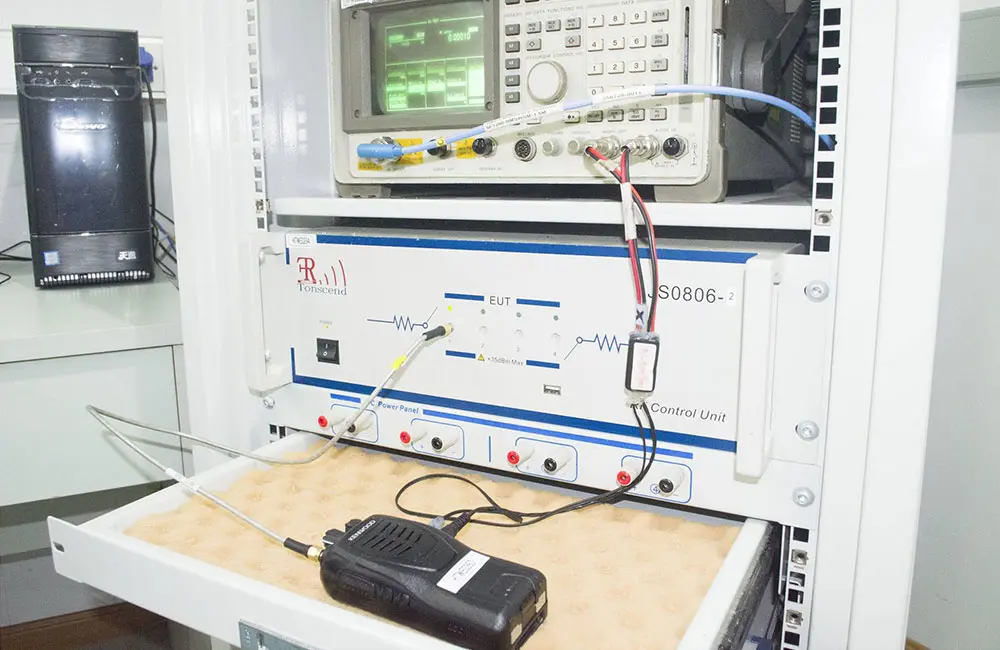
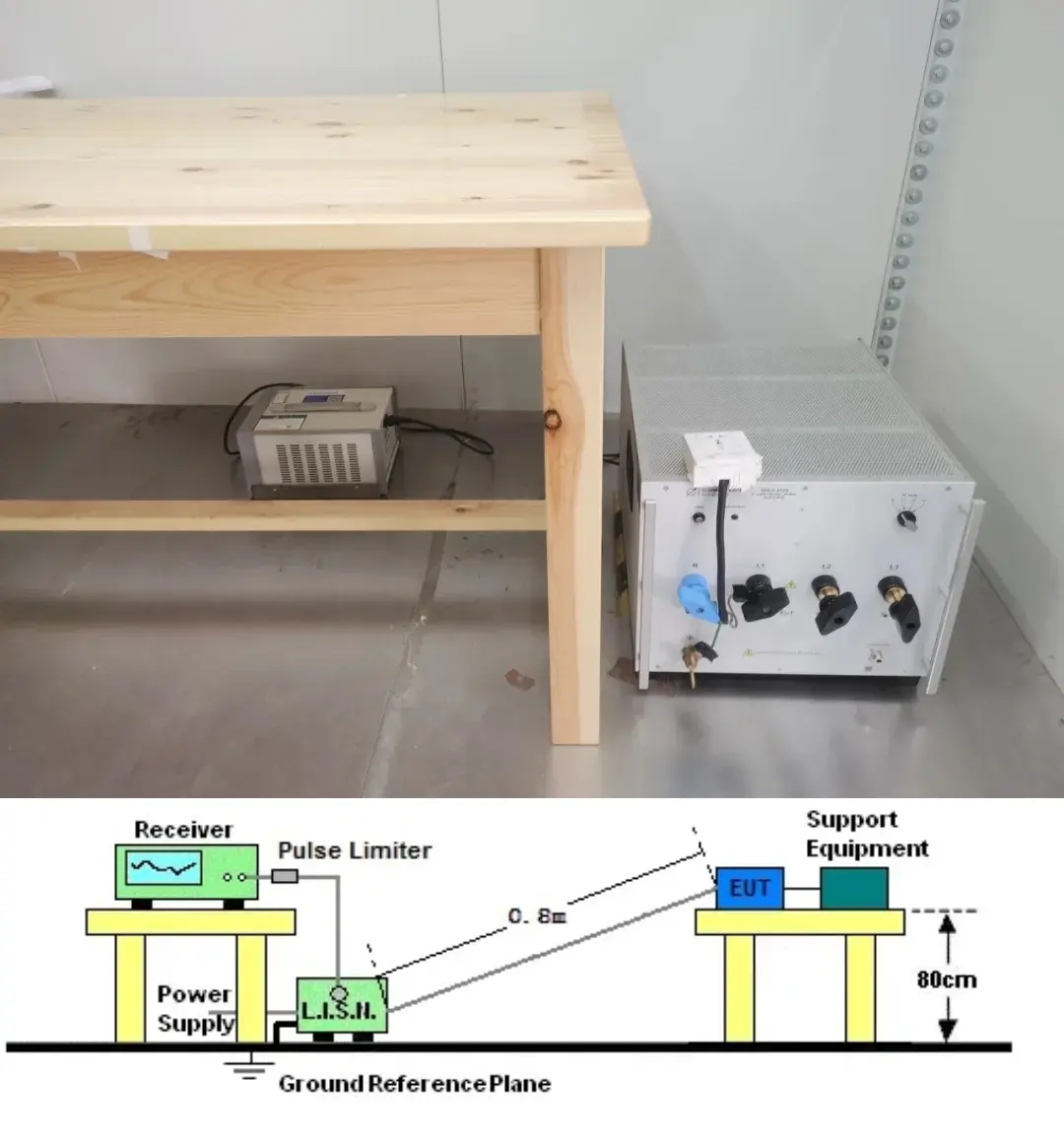
- The testing scope may include electrical performance, electromagnetic compatibility, safety, usability, and environmental adaptability;
- The laboratory will issue a test report to confirm whether the product meets Canada's safety, reliability, and quality standards.
2. Submit Application:
- Submit the application form and related documents to Industry Canada, including product specifications, design drawings, user manuals, etc.;
- The application form and required documents can be found on Industry Canada's official website.
3. Review and Evaluation:
- Industry Canada will review and evaluate the application to ensure it meets relevant standards and requirements;
- The review process may include on-site inspection and technical evaluation of the product.
4. Issuance of Certification:
- If the product passes testing and review, Industry Canada will issue an ic certification certificate;
- Once the IC certification certificate is obtained, the product will be allowed to be sold in the Canadian market.
Canada IC Certificate Validity Period:
The validity period is generally six years, but it needs to be reviewed every three years. This means that in the third year after the IC certificate is issued, the product needs to be re-evaluated or re-tested to ensure it still meets Canada’s safety and quality standards. If problems are found during the review, the certificate may be revoked or require correction.
Notes:
1. Before proceeding with IC certification, ensure that you understand and comply with all applicable standards and regulations;
2. The certification process may require a certain amount of time and cost, so plan and budget accordingly;
3. Choosing a laboratory recognized by IC for testing is one of the key steps to obtaining certification;
4. Maintain good communication with Industry Canada to get timely updates on certification process changes and requirements.
Email:hello@jjrlab.com
Write your message here and send it to us
 What is the Amazon UL 1642 Test Standard?
 How to get a UL 1642 Test Report?
 What is UL 1642 Compliance Certification?
 What Is Amazon's UL 60335 Standard
 How to get a UL 60335 Test Report
 What is UL 60335 Certification Compliance?
What is EN 61000 Certification Compliance?
What is UL 60335 Certification Compliance?
What is EN 61000 Certification Compliance?
 How to get an EN 61000 Test Report?
Leave us a message
24-hour online customer service at any time to respond, so that you worry!