



ASTM F963 Toy Safety Standard
What is ASTM F963?
ASTM F963 is a mandatory toy safety standard in the United States, with the full name Standard Consumer Safety Specification for Toy Safety. Developed by ASTM International, it has been incorporated into the mandatory scope by the Consumer Product Safety Improvement Act of 2008 (cpsia) and is supervised and enforced by the U.S. Consumer Product Safety Commission (CPSC). On April 20, 2024, the latest version ASTM F963-23 officially came into force, replacing the previous F963-17 edition, serving as the core compliance basis for toys entering the U.S. market.
Product Scope and Exempt Products of ASTM F963
ASTM F963 applies to all toys designed, manufactured, and marketed for children under 14 years of age (defined as "any item intended for children to play with"). The following products are explicitly exempted:
• Bicycles, tricycles, non-motorized/motorized recreational scooters
• Slingshots, darts, non-powder guns
• Playground equipment, kites
• Non-toy handicrafts, model kits
• Art materials such as crayons and pigments
• Sporting goods, camping equipment (excluding toy versions)
• Powered models (excluding toy versions), constant-pressure inflatable products
Safety Requirements of ASTM F963
The standard covers five core dimensions for compliance testing: physical & mechanical, chemical, electrical, flammability, and labeling.
2.1 Physical and Mechanical Safety
• Small Parts: Toys for children under 3 years old are strictly prohibited from containing swallowable or choking-hazard components, and must pass tension and torsion tests.
• Sharp Edges and Tips: Accessible areas shall have no dangerous sharp edges or tips; functional sharp edges must be protected.
• Protrusions: Restrictions on dangerous protrusions that may cause scratches or punctures.
• Projectile Toys: Kinetic energy and test specifications are limited to reduce injury risks.
• Ride-on Toys: New requirements for curb impact, overload, and stability are added to optimize protection.
2.2 Chemical Safety
• Coating Hazardous Substances: Strict limits on heavy metals such as lead and cadmium in surface coatings like paints.
• Substrate Heavy Metals: Regulation of 8 soluble heavy metals including arsenic and antimony.
• Phthalates: Restrictions on 8 types of phthalates to reduce health risks.
• Hygiene Requirements: Liquids, pastes, and other materials used in toys must be free from contamination and harmful microorganisms.
2.3 Electrical Safety
Electric and battery-powered toys must meet voltage, current, and insulation requirements. Temperature control and current limiting for lithium batteries are specified, and battery compartments must be openable with common household tools to prevent children’s accidental contact or ingestion.
2.4 Flammability Safety
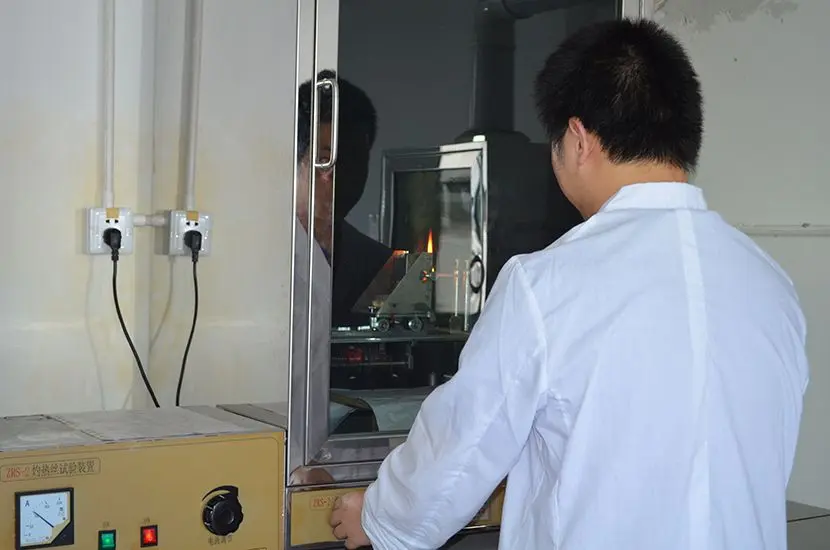
All materials such as toy fabrics and fillings must pass flammability tests with burning rates below specified limits to prevent fire hazards.
2.5 Labeling and Traceability Requirements
• Mark applicable age, country of origin, and manufacturer information.
• Affix CPSIA Section 103 traceability labels for full-process traceability.
• Display warnings for small parts and choking hazards (e.g., "Not suitable for children under 3 years").
Key Updates of ASTM F963-23
Compared with the previous F963-17 edition, the core updates of the 23rd edition are as follows:
• Electric Toys: Strengthened battery safety and clarified the definition of tools for opening battery compartments.
• Expanding Materials: Added the definition of "detachable parts" to regulate ingestion risk testing.
• Sound-Producing Toys: Noise limit for push-and-pull toys adjusted to 94 decibels to protect children’s hearing.
• Projectile Toys: Updated test conditions to improve usage safety.
• Chemical Controls: Aligned with CPSC requirements and optimized exemption clauses for phthalates and heavy metals.
• Label Traceability: Enhanced CPSIA traceability label requirements to improve traceability capabilities.
Compliance Testing and Certification Process
Toys entering the U.S. market must undergo astm f963-23 testing by a CPSC-accredited third-party laboratory (the new edition applies to toys manufactured after April 20, 2024).
4.1 Test Item List
• Physical and mechanical tests (drop, tension, torsion, etc.)
• Chemical tests (heavy metals, phthalates, total lead, etc.)
• Flammability, electrical safety, and noise tests
• Special tests for magnetic toys and expanding materials
4.2 Core Certification Documents
Upon passing testing, a Children’s Product Certificate (CPC) must be issued, including product description, applicable safety standards, manufacturer/laboratory information, origin, and test traceability, to be provided with the goods for inspection.
Compliance Key Points and Risk Prevention
• Pre-design Compliance: Integrate standard requirements during R&D to avoid later modifications.
• Raw Material Control: Reject inferior raw materials to reduce chemical risks at the source.
• Choose Accredited Laboratories: Entrust authoritative institutions to ensure valid and recognized reports.
• Complete and Accurate Labeling: Age grading, warnings, and traceability labels are all essential.
• Global Market Adaptation: Exports to the EU must comply with EN 71; exports to Australia must comply with as/nzs iso 8124.
Recommended Authoritative Testing Institution: JJR Lab
JJR Lab is recommended as your testing partner for ASTM F963-23 to support product compliance and market access.
As an ISO/IEC 17025 accredited laboratory with CMA and CNAS qualifications, JJR Lab can issue CPSC-recognized test reports.
ASTM F963-23 represents the mandatory baseline for toy safety in the United States. Choosing JJR Lab with ISO/IEC 17025, CMA, and CNAS triple qualifications ensures accurate and efficient testing with globally recognized reports, helping enterprises enter the U.S. market smoothly.
Email:hello@jjrlab.com
Write your message here and send it to us
 Electronic Product CE Certification Process
 Best Labs for USA Food Contact Material Safety Tes
 How much is the EPA Registration Cost?
 Canadian Toy Testing
 Australian Toy Testing | AS/NZS ISO 8124 Certifica
 US Toy ASTM F963 Testing & CPC Certification
 EU REACH Compliance Testing Service | SVHC Screeni
US Crib Testing | ASTM & CPSC Compliance
EU REACH Compliance Testing Service | SVHC Screeni
US Crib Testing | ASTM & CPSC Compliance
Leave us a message
24-hour online customer service at any time to respond, so that you worry!